
- Home
- Services
- Portfolio
- About
- Service AreasFort Lauderdale, FL
- Web Design
- Redesign
- WordPress
- Ecommerce
- Landing Pages
- SEO Services
- Local SEO
- GBP
- Google Ads
- PPC
- Digital Marketing
- Internet Marketing
- Advertising
- Tracking
- Dental Marketing
- Medical Marketing
- HVAC Marketing
- Roofing Marketing
- Pest Control Marketing
- Home Services Marketing
- Plumbing Marketing
- Electrical Marketing
- Landscaping Marketing
- Remodeling Marketing
Pembroke Pines, FL- Web Design
- Redesign
- WordPress
- Ecommerce
- Landing Pages
- SEO Services
- Local SEO
- GBP
- Google Ads
- PPC
- Digital Marketing
- Internet Marketing
- Advertising
- Tracking
- Dental Marketing
- Medical Marketing
- HVAC Marketing
- Roofing Marketing
- Pest Control Marketing
- Home Services Marketing
- Plumbing Marketing
- Electrical Marketing
- Landscaping Marketing
- Remodeling Marketing
Hialeah, FL- Web Design
- Redesign
- WordPress
- Ecommerce
- Landing Pages
- SEO Services
- Local SEO
- GBP
- Google Ads
- PPC
- Digital Marketing
- Internet Marketing
- Advertising
- Tracking
- Dental Marketing
- Medical Marketing
- HVAC Marketing
- Roofing Marketing
- Pest Control Marketing
- Home Services Marketing
- Plumbing Marketing
- Electrical Marketing
- Landscaping Marketing
- Remodeling Marketing
Hollywood, FL- Web Design
- Redesign
- WordPress
- Ecommerce
- Landing Pages
- SEO Services
- Local SEO
- GBP
- Google Ads
- PPC
- Digital Marketing
- Internet Marketing
- Advertising
- Tracking
- Dental Marketing
- Medical Marketing
- HVAC Marketing
- Roofing Marketing
- Pest Control Marketing
- Home Services Marketing
- Plumbing Marketing
- Electrical Marketing
- Landscaping Marketing
- Remodeling Marketing
Miramar, FL- Web Design
- Redesign
- WordPress
- Ecommerce
- Landing Pages
- SEO Services
- Local SEO
- GBP
- Google Ads
- PPC
- Digital Marketing
- Internet Marketing
- Advertising
- Tracking
- Dental Marketing
- Medical Marketing
- HVAC Marketing
- Roofing Marketing
- Pest Control Marketing
- Home Services Marketing
- Plumbing Marketing
- Electrical Marketing
- Landscaping Marketing
- Remodeling Marketing
Coral Springs, FL- Web Design
- Redesign
- WordPress
- Ecommerce
- Landing Pages
- SEO Services
- Local SEO
- GBP
- Google Ads
- PPC
- Digital Marketing
- Internet Marketing
- Advertising
- Tracking
- Dental Marketing
- Medical Marketing
- HVAC Marketing
- Roofing Marketing
- Pest Control Marketing
- Home Services Marketing
- Plumbing Marketing
- Electrical Marketing
- Landscaping Marketing
- Remodeling Marketing
Pompano Beach, FL- Web Design
- Redesign
- WordPress
- Ecommerce
- Landing Pages
- SEO Services
- Local SEO
- GBP
- Google Ads
- PPC
- Digital Marketing
- Internet Marketing
- Advertising
- Tracking
- Dental Marketing
- Medical Marketing
- HVAC Marketing
- Roofing Marketing
- Pest Control Marketing
- Home Services Marketing
- Plumbing Marketing
- Electrical Marketing
- Landscaping Marketing
- Remodeling Marketing
Davie, FL- Web Design
- Redesign
- WordPress
- Ecommerce
- Landing Pages
- SEO Services
- Local SEO
- GBP
- Google Ads
- PPC
- Digital Marketing
- Internet Marketing
- Advertising
- Tracking
- Dental Marketing
- Medical Marketing
- HVAC Marketing
- Roofing Marketing
- Pest Control Marketing
- Home Services Marketing
- Plumbing Marketing
- Electrical Marketing
- Landscaping Marketing
- Remodeling Marketing
Sunrise, FL- Web Design
- Redesign
- WordPress
- Ecommerce
- Landing Pages
- SEO Services
- Local SEO
- GBP
- Google Ads
- PPC
- Digital Marketing
- Internet Marketing
- Advertising
- Tracking
- Dental Marketing
- Medical Marketing
- HVAC Marketing
- Roofing Marketing
- Pest Control Marketing
- Home Services Marketing
- Plumbing Marketing
- Electrical Marketing
- Landscaping Marketing
- Remodeling Marketing
Plantation, FL- Web Design
- Redesign
- WordPress
- Ecommerce
- Landing Pages
- SEO Services
- Local SEO
- GBP
- Google Ads
- PPC
- Digital Marketing
- Internet Marketing
- Advertising
- Tracking
- Dental Marketing
- Medical Marketing
- HVAC Marketing
- Roofing Marketing
- Pest Control Marketing
- Home Services Marketing
- Plumbing Marketing
- Electrical Marketing
- Landscaping Marketing
- Remodeling Marketing
Deerfield Beach, FL- Web Design
- Redesign
- WordPress
- Ecommerce
- Landing Pages
- SEO Services
- Local SEO
- GBP
- Google Ads
- PPC
- Digital Marketing
- Internet Marketing
- Advertising
- Tracking
- Dental Marketing
- Medical Marketing
- HVAC Marketing
- Roofing Marketing
- Pest Control Marketing
- Home Services Marketing
- Plumbing Marketing
- Electrical Marketing
- Landscaping Marketing
- Remodeling Marketing
Miami Gardens, FL- Web Design
- Redesign
- WordPress
- Ecommerce
- Landing Pages
- SEO Services
- Local SEO
- GBP
- Google Ads
- PPC
- Digital Marketing
- Internet Marketing
- Advertising
- Tracking
- Dental Marketing
- Medical Marketing
- HVAC Marketing
- Roofing Marketing
- Pest Control Marketing
- Home Services Marketing
- Plumbing Marketing
- Electrical Marketing
- Landscaping Marketing
- Remodeling Marketing
Lauderhill, FL- Web Design
- Redesign
- WordPress
- Ecommerce
- Landing Pages
- SEO Services
- Local SEO
- GBP
- Google Ads
- PPC
- Digital Marketing
- Internet Marketing
- Advertising
- Tracking
- Dental Marketing
- Medical Marketing
- HVAC Marketing
- Roofing Marketing
- Pest Control Marketing
- Home Services Marketing
- Plumbing Marketing
- Electrical Marketing
- Landscaping Marketing
- Remodeling Marketing
West Palm Beach, FL- Web Design
- Redesign
- WordPress
- Ecommerce
- Landing Pages
- SEO Services
- Local SEO
- GBP
- Google Ads
- PPC
- Digital Marketing
- Internet Marketing
- Advertising
- Tracking
- Dental Marketing
- Medical Marketing
- HVAC Marketing
- Roofing Marketing
- Pest Control Marketing
- Home Services Marketing
- Plumbing Marketing
- Electrical Marketing
- Landscaping Marketing
- Remodeling Marketing
Tamarac, FL- Web Design
- Redesign
- WordPress
- Ecommerce
- Landing Pages
- SEO Services
- Local SEO
- GBP
- Google Ads
- PPC
- Digital Marketing
- Internet Marketing
- Advertising
- Tracking
- Dental Marketing
- Medical Marketing
- HVAC Marketing
- Roofing Marketing
- Pest Control Marketing
- Home Services Marketing
- Plumbing Marketing
- Electrical Marketing
- Landscaping Marketing
- Remodeling Marketing
Weston, FL- Web Design
- Redesign
- WordPress
- Ecommerce
- Landing Pages
- SEO Services
- Local SEO
- GBP
- Google Ads
- PPC
- Digital Marketing
- Internet Marketing
- Advertising
- Tracking
- Dental Marketing
- Medical Marketing
- HVAC Marketing
- Roofing Marketing
- Pest Control Marketing
- Home Services Marketing
- Plumbing Marketing
- Electrical Marketing
- Landscaping Marketing
- Remodeling Marketing
Boca Raton, FLMargate, FLCoconut Creek, FLMiami Beach, FLHomestead, FLKendall, FLDoral, FLBoynton Beach, FLThe Hammocks, FLNorth Lauderdale, FLOakland Park, FLDelray Beach, FLNorth Miami, FLHallandale Beach, FLFontainebleau, FLKendale Lakes, FLWellington, FLJupiter, FLTamiami, FLPalm Beach Gardens, FLLauderdale Lakes, FLCooper City, FLCountry Club, FLParkland, FLCoral Gables, FLDania Beach, FLCutler Bay, FLNorth Miami Beach, FLGreenacres, FLLake Worth Beach, FLPrinceton, FLRoyal Palm Beach, FLSouth Miami Heights, FLRichmond West, FLRiviera Beach, FLWest Little River, FLGolden Glades, FLAventura, FLMiami Lakes, FLWestchester, FLLeisure City, FLCoral Terrace, FLPalm Springs, FLPalmetto Bay, FLHialeah Gardens, FLSunny Isles Beach, FLIves Estates, FLWest Park, FLSweetwater, FLPinecrest, FLSunset, FLPinewood, FLWilton Manors, FLOpa-locka, FLLighthouse Point, FLBelle Glade, FLNaranja, FLPalmetto Estates, FLBrownsville, FLKey Biscayne, FLOlympia Heights, FLMiami Springs, FLFlorida City, FLSouth Miami, FLThree Lakes, FLGladeview, FLNorth Palm Beach, FLMiami Shores, FLSouthwest Ranches, FLKings Point, FLLauderdale-by-the-Sea, FLHillsboro Beach, FLSea Ranch Lakes, FLLazy Lake, FL - Blog
- Contact
Web Design and Marketing in Miami, Florida
Miami is a major commercial center in South Florida, with business activity concentrated around Downtown Miami, Brickell, the Central Business District, and nearby commercial corridors. Financial services, legal practices, healthcare providers, technology companies, and professional service firms compete for attention in a market where potential clients have many options. Miami’s population of 442,241 reflects the scale of the city itself, while its wider Miami-Dade County market extends well beyond city boundaries.
The market continues to evolve as Downtown Miami attracts investment, new businesses, and development across its central business districts. The Miami Downtown Development Authority’s planning and research initiatives track changes in office space, transportation, commercial activity, and urban development. For businesses, that means a website and marketing strategy must do more than establish an online presence. They must communicate a clear reason to choose one provider over another, answer specific questions, and turn relevant searches into qualified enquiries.

The business landscape in Miami
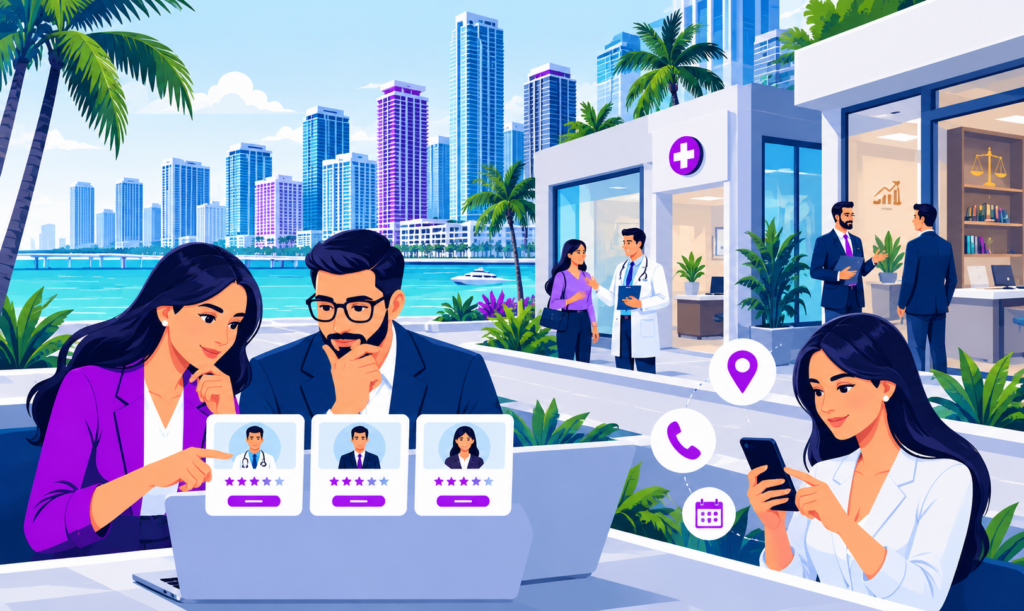
Miami businesses often operate in a competitive environment where customers compare several providers before making contact. Professional firms may compete on expertise and reputation, while medical practices need clear service information and accessible appointment pathways. Financial and legal businesses must also communicate credibility without relying on unsupported promises.
In office-heavy districts such as Brickell and Downtown, potential clients may research providers during the working day, frequently using desktop computers. Other searches happen on mobile devices when people need a nearby service quickly. A useful digital strategy accounts for both behaviours through fast-loading pages, clear navigation, relevant content, and straightforward contact options.
What we do for Miami businesses
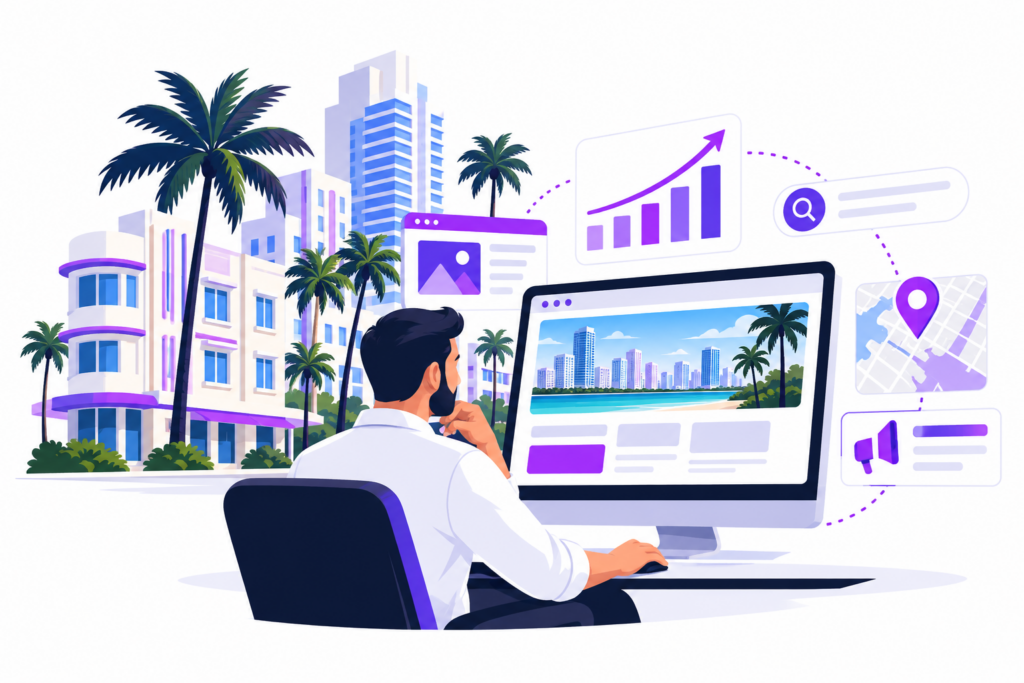
Strategic Web Designs helps businesses strengthen their online presence through web design, search engine optimization (SEO), local SEO, digital marketing, and Google Ads management. These services can work together to improve website usability, increase relevant search visibility, and make it easier for prospective customers to take action. The right combination depends on your current website, competition, business goals, and available marketing budget.
Which industries we work with here
Marketing priorities differ by industry, so the strategy should reflect how customers select a provider and what information they need before enquiring.
Legal and professional services
Explain practice areas, relevant experience, service locations, and consultation options. Organize pages around the specific services potential clients search for.
Medical and healthcare practices
Make treatment information, provider details, location information, and appointment options easy to find. Review health-related claims carefully.
Financial services
Present services, qualifications, and contact pathways clearly while respecting applicable advertising and compliance requirements.
Technology and business services
Explain complex offerings in plain language, demonstrate practical value, and create landing pages for distinct solutions.
Local service businesses
Build relevant service and location pages, improve Google Business Profile information, and make calls and enquiry forms easy to use.
Explore the relevant legal services marketing hub, healthcare marketing hub, and financial services marketing hub for industry-specific considerations.
How local search works in this market
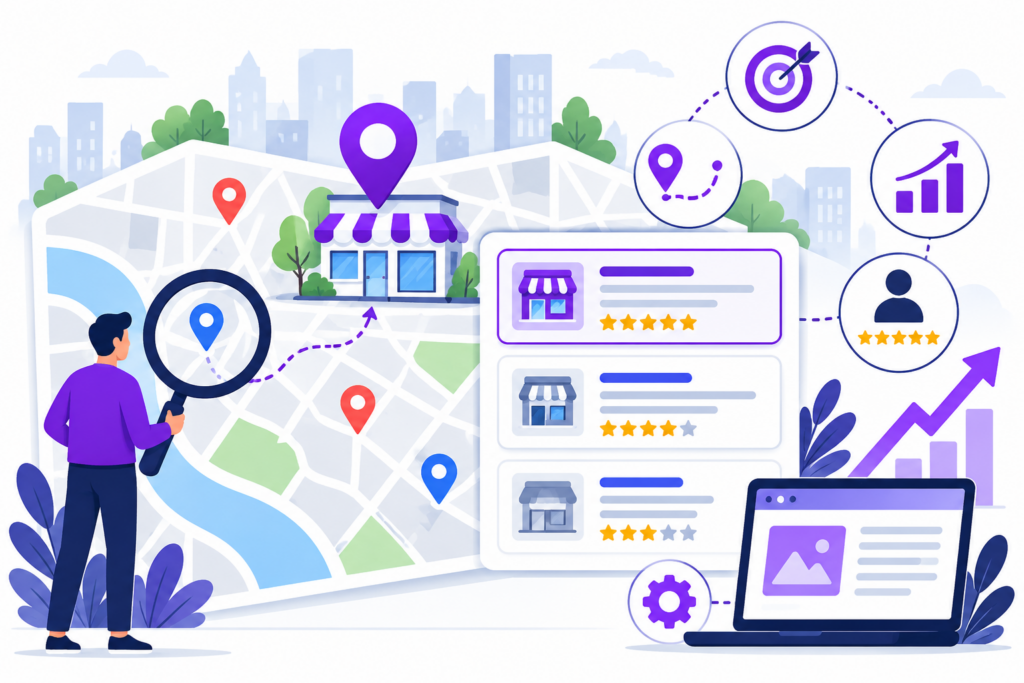
Local search visibility depends on three main factors: relevance, distance, and prominence. Google considers how closely a business matches a search, how far away it is from the searcher or relevant location, and how established or prominent it appears.
The map pack is the group of local business listings that can appear above ordinary organic results. A business three miles away can outrank one across the street because proximity is not the only factor. The closer business might have a less relevant category, incomplete business information, weaker prominence signals, or a poorer match for the searcher’s needs. Results also vary with the searcher’s location and exact query.
For Miami businesses, local SEO starts with accurate business details, an appropriate Google Business Profile category, relevant service pages, consistent contact information, and genuine customer reviews. Website content should explain the actual services offered rather than repeat neighbourhood names unnaturally.
Organic SEO supports a different but related goal: earning visibility in the standard search results through useful content, clear site structure, technical accessibility, and relevant authority. Neither local SEO nor organic SEO guarantees a particular ranking. Performance should be assessed through search visibility, relevant website visits, calls, form submissions, and qualified leads.

What it costs
Website design and marketing costs depend on the scope of work rather than the city name alone. A new website with multiple service pages requires a different investment from improving an established website with technical issues or weak landing pages.
SEO pricing also depends on the number of services and locations targeted, existing competition, content requirements, and the amount of ongoing optimization needed. Paid advertising budgets are separate from management fees where applicable.
Before committing, ask for a clear scope, deliverables, reporting schedule, and explanation of how success will be measured. A proposal should distinguish one-time website work from recurring marketing services and advertising spend. Request a review of your current website and marketing performance before deciding which work should come first.

Why an Agency Outside Miami Is Fine, and When It Is Not
A digital marketing agency does not need a Miami office to manage web design, SEO, analytics, content, or advertising. Most of this work can be handled remotely with regular communication and transparent reporting.
Strategic Web Designs can support Miami businesses without claiming a local office. What matters is understanding your market, explaining recommendations, and tracking results.
Local presence may be necessary for on-site photography, interviews, or inspections. Otherwise, expertise, communication, and measurable performance matter more than an office address.
FAQ's
How can a Miami business improve its Google rankings?
Start by making sure your website and Google Business Profile accurately describe your services. Improve relevant service pages, address technical problems, maintain consistent business information, and build genuine customer reviews. Track changes over time rather than expecting immediate results.
How long does SEO take to produce results?
SEO timelines depend on competition, website condition, content quality, and the work completed. Some improvements can be identified relatively quickly, while meaningful organic growth may take several months. No agency can guarantee a specific ranking or deadline.
Should I invest in SEO or Google Ads first?
It depends on your goals, budget, and current visibility. Google Ads can bring paid traffic while a campaign is active. SEO focuses on improving organic visibility over time. Some businesses benefit from using both, provided each channel has clear objectives and measurable results.
Can you help a business that serves several Miami-Dade communities?
Yes. A suitable strategy can organize service pages around the locations a business genuinely serves, with distinct and useful information for each area. Pages should not simply duplicate the same content while changing city names.
What should a digital marketing report include?
A useful report should show completed work, organic search visibility, relevant traffic, lead actions, campaign performance where applicable, and progress against agreed goals. It should explain what changed, what the data indicates, and what the next steps will be.
Get a free audit
If your Miami business is investing in its website or marketing but cannot clearly connect that investment to enquiries, start with a review of your current performance. Strategic Web Designs can assess your website, search visibility, page structure, and conversion opportunities to help identify practical priorities. The goal is to understand what needs attention before recommending additional work.
Request your free audit today. Call +1 754-704-4727 or visit Strategic Web Designs to discuss your website and marketing goals. For additional local business context, visit the Miami Downtown Development Authority’s business development resources.