
- Home
- Services
- Portfolio
- About
- Service AreasFort Lauderdale, FL
- Web Design
- Redesign
- WordPress
- Ecommerce
- Landing Pages
- SEO Services
- Local SEO
- GBP
- Google Ads
- PPC
- Digital Marketing
- Internet Marketing
- Advertising
- Tracking
- Dental Marketing
- Medical Marketing
- HVAC Marketing
- Roofing Marketing
- Pest Control Marketing
- Home Services Marketing
- Plumbing Marketing
- Electrical Marketing
- Landscaping Marketing
- Remodeling Marketing
Pembroke Pines, FL- Web Design
- Redesign
- WordPress
- Ecommerce
- Landing Pages
- SEO Services
- Local SEO
- GBP
- Google Ads
- PPC
- Digital Marketing
- Internet Marketing
- Advertising
- Tracking
- Dental Marketing
- Medical Marketing
- HVAC Marketing
- Roofing Marketing
- Pest Control Marketing
- Home Services Marketing
- Plumbing Marketing
- Electrical Marketing
- Landscaping Marketing
- Remodeling Marketing
Hialeah, FL- Web Design
- Redesign
- WordPress
- Ecommerce
- Landing Pages
- SEO Services
- Local SEO
- GBP
- Google Ads
- PPC
- Digital Marketing
- Internet Marketing
- Advertising
- Tracking
- Dental Marketing
- Medical Marketing
- HVAC Marketing
- Roofing Marketing
- Pest Control Marketing
- Home Services Marketing
- Plumbing Marketing
- Electrical Marketing
- Landscaping Marketing
- Remodeling Marketing
Hollywood, FL- Web Design
- Redesign
- WordPress
- Ecommerce
- Landing Pages
- SEO Services
- Local SEO
- GBP
- Google Ads
- PPC
- Digital Marketing
- Internet Marketing
- Advertising
- Tracking
- Dental Marketing
- Medical Marketing
- HVAC Marketing
- Roofing Marketing
- Pest Control Marketing
- Home Services Marketing
- Plumbing Marketing
- Electrical Marketing
- Landscaping Marketing
- Remodeling Marketing
Miramar, FL- Web Design
- Redesign
- WordPress
- Ecommerce
- Landing Pages
- SEO Services
- Local SEO
- GBP
- Google Ads
- PPC
- Digital Marketing
- Internet Marketing
- Advertising
- Tracking
- Dental Marketing
- Medical Marketing
- HVAC Marketing
- Roofing Marketing
- Pest Control Marketing
- Home Services Marketing
- Plumbing Marketing
- Electrical Marketing
- Landscaping Marketing
- Remodeling Marketing
Coral Springs, FL- Web Design
- Redesign
- WordPress
- Ecommerce
- Landing Pages
- SEO Services
- Local SEO
- GBP
- Google Ads
- PPC
- Digital Marketing
- Internet Marketing
- Advertising
- Tracking
- Dental Marketing
- Medical Marketing
- HVAC Marketing
- Roofing Marketing
- Pest Control Marketing
- Home Services Marketing
- Plumbing Marketing
- Electrical Marketing
- Landscaping Marketing
- Remodeling Marketing
Pompano Beach, FL- Web Design
- Redesign
- WordPress
- Ecommerce
- Landing Pages
- SEO Services
- Local SEO
- GBP
- Google Ads
- PPC
- Digital Marketing
- Internet Marketing
- Advertising
- Tracking
- Dental Marketing
- Medical Marketing
- HVAC Marketing
- Roofing Marketing
- Pest Control Marketing
- Home Services Marketing
- Plumbing Marketing
- Electrical Marketing
- Landscaping Marketing
- Remodeling Marketing
Davie, FL- Web Design
- Redesign
- WordPress
- Ecommerce
- Landing Pages
- SEO Services
- Local SEO
- GBP
- Google Ads
- PPC
- Digital Marketing
- Internet Marketing
- Advertising
- Tracking
- Dental Marketing
- Medical Marketing
- HVAC Marketing
- Roofing Marketing
- Pest Control Marketing
- Home Services Marketing
- Plumbing Marketing
- Electrical Marketing
- Landscaping Marketing
- Remodeling Marketing
Sunrise, FL- Web Design
- Redesign
- WordPress
- Ecommerce
- Landing Pages
- SEO Services
- Local SEO
- GBP
- Google Ads
- PPC
- Digital Marketing
- Internet Marketing
- Advertising
- Tracking
- Dental Marketing
- Medical Marketing
- HVAC Marketing
- Roofing Marketing
- Pest Control Marketing
- Home Services Marketing
- Plumbing Marketing
- Electrical Marketing
- Landscaping Marketing
- Remodeling Marketing
Plantation, FL- Web Design
- Redesign
- WordPress
- Ecommerce
- Landing Pages
- SEO Services
- Local SEO
- GBP
- Google Ads
- PPC
- Digital Marketing
- Internet Marketing
- Advertising
- Tracking
- Dental Marketing
- Medical Marketing
- HVAC Marketing
- Roofing Marketing
- Pest Control Marketing
- Home Services Marketing
- Plumbing Marketing
- Electrical Marketing
- Landscaping Marketing
- Remodeling Marketing
Deerfield Beach, FL- Web Design
- Redesign
- WordPress
- Ecommerce
- Landing Pages
- SEO Services
- Local SEO
- GBP
- Google Ads
- PPC
- Digital Marketing
- Internet Marketing
- Advertising
- Tracking
- Dental Marketing
- Medical Marketing
- HVAC Marketing
- Roofing Marketing
- Pest Control Marketing
- Home Services Marketing
- Plumbing Marketing
- Electrical Marketing
- Landscaping Marketing
- Remodeling Marketing
Miami Gardens, FL- Web Design
- Redesign
- WordPress
- Ecommerce
- Landing Pages
- SEO Services
- Local SEO
- GBP
- Google Ads
- PPC
- Digital Marketing
- Internet Marketing
- Advertising
- Tracking
- Dental Marketing
- Medical Marketing
- HVAC Marketing
- Roofing Marketing
- Pest Control Marketing
- Home Services Marketing
- Plumbing Marketing
- Electrical Marketing
- Landscaping Marketing
- Remodeling Marketing
Lauderhill, FL- Web Design
- Redesign
- WordPress
- Ecommerce
- Landing Pages
- SEO Services
- Local SEO
- GBP
- Google Ads
- PPC
- Digital Marketing
- Internet Marketing
- Advertising
- Tracking
- Dental Marketing
- Medical Marketing
- HVAC Marketing
- Roofing Marketing
- Pest Control Marketing
- Home Services Marketing
- Plumbing Marketing
- Electrical Marketing
- Landscaping Marketing
- Remodeling Marketing
West Palm Beach, FL- Web Design
- Redesign
- WordPress
- Ecommerce
- Landing Pages
- SEO Services
- Local SEO
- GBP
- Google Ads
- PPC
- Digital Marketing
- Internet Marketing
- Advertising
- Tracking
- Dental Marketing
- Medical Marketing
- HVAC Marketing
- Roofing Marketing
- Pest Control Marketing
- Home Services Marketing
- Plumbing Marketing
- Electrical Marketing
- Landscaping Marketing
- Remodeling Marketing
Tamarac, FL- Web Design
- Redesign
- WordPress
- Ecommerce
- Landing Pages
- SEO Services
- Local SEO
- GBP
- Google Ads
- PPC
- Digital Marketing
- Internet Marketing
- Advertising
- Tracking
- Dental Marketing
- Medical Marketing
- HVAC Marketing
- Roofing Marketing
- Pest Control Marketing
- Home Services Marketing
- Plumbing Marketing
- Electrical Marketing
- Landscaping Marketing
- Remodeling Marketing
Weston, FL- Web Design
- Redesign
- WordPress
- Ecommerce
- Landing Pages
- SEO Services
- Local SEO
- GBP
- Google Ads
- PPC
- Digital Marketing
- Internet Marketing
- Advertising
- Tracking
- Dental Marketing
- Medical Marketing
- HVAC Marketing
- Roofing Marketing
- Pest Control Marketing
- Home Services Marketing
- Plumbing Marketing
- Electrical Marketing
- Landscaping Marketing
- Remodeling Marketing
Boca Raton, FLMargate, FLCoconut Creek, FLMiami Beach, FLHomestead, FLKendall, FLDoral, FLBoynton Beach, FLThe Hammocks, FLNorth Lauderdale, FLOakland Park, FLDelray Beach, FLNorth Miami, FLHallandale Beach, FLFontainebleau, FLKendale Lakes, FLWellington, FLJupiter, FLTamiami, FLPalm Beach Gardens, FLLauderdale Lakes, FLCooper City, FLCountry Club, FLParkland, FLCoral Gables, FLDania Beach, FLCutler Bay, FLNorth Miami Beach, FLGreenacres, FLLake Worth Beach, FLPrinceton, FLRoyal Palm Beach, FLSouth Miami Heights, FLRichmond West, FLRiviera Beach, FLWest Little River, FLGolden Glades, FLAventura, FLMiami Lakes, FLWestchester, FLLeisure City, FLCoral Terrace, FLPalm Springs, FLPalmetto Bay, FLHialeah Gardens, FLSunny Isles Beach, FLIves Estates, FLWest Park, FLSweetwater, FLPinecrest, FLSunset, FLPinewood, FLWilton Manors, FLOpa-locka, FLLighthouse Point, FLBelle Glade, FLNaranja, FLPalmetto Estates, FLBrownsville, FLKey Biscayne, FLOlympia Heights, FLMiami Springs, FLFlorida City, FLSouth Miami, FLThree Lakes, FLGladeview, FLNorth Palm Beach, FLMiami Shores, FLSouthwest Ranches, FLKings Point, FLLauderdale-by-the-Sea, FLHillsboro Beach, FLSea Ranch Lakes, FLLazy Lake, FL - Blog
- Contact
Marketing for Medical Practices in Lauderdale Lakes, Florida
How Lauderdale Lakes Medical Practices buyers search
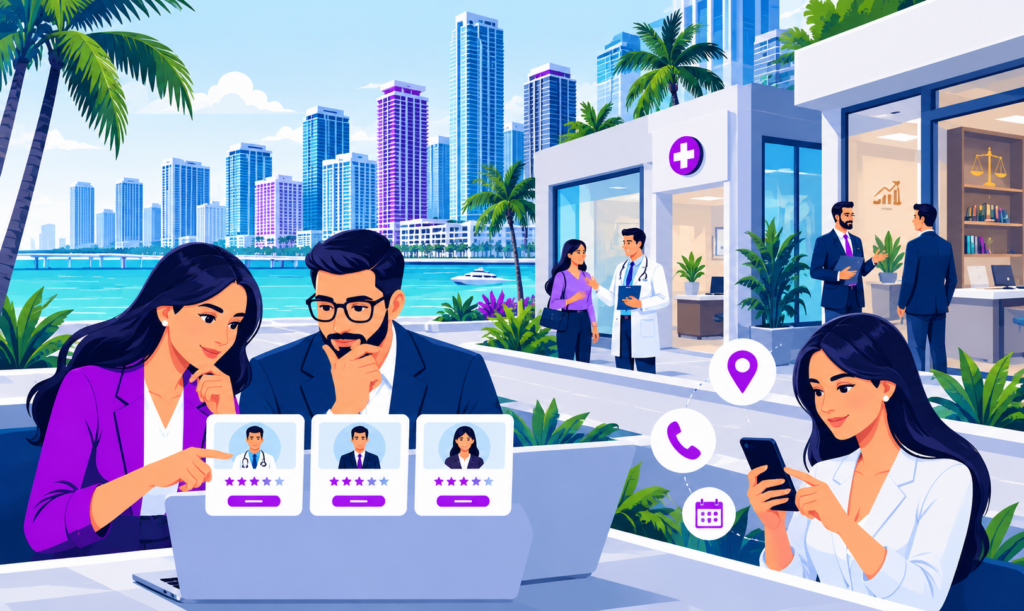
Most people looking for a doctor in Lauderdale Lakes start on a phone, not a desktop. They are standing in a kitchen, sitting in a car in a parking lot off Oakland Park Boulevard, or scrolling on break between shifts. The search is short and specific: “urgent care near me,” “pediatrician Lauderdale Lakes,” “OB-GYN that takes my insurance.” Insurance comes up fast because this is a value-conscious market where households weigh copays and coverage before they weigh credentials. Price and coverage are not an afterthought here, they are often the first filter, right alongside “open now” and “walk-ins welcome.”

The competition here
Lauderdale Lakes is a dense, older, working suburb packed into a small footprint next to Lauderhill, Tamarac and North Lauderdale. The healthcare mix here is not dominated by one big hospital system brand the way it might be closer to the coast. You will find independent family practices, urgent care chains, dental groups, pediatric offices and specialty clinics along State Road 7 and Oakland Park Boulevard competing in the same handful of map pack results for the same core terms: “doctor near me,” “urgent care Lauderdale Lakes,” “dentist 33311,” and similar.
That is actually a more open field than it looks. A lot of the independent practice websites in this corridor are outdated, slow to load on a phone, or missing basic structured data that helps Google understand what the practice offers, which insurance it accepts, and where it sits relative to a patient’s zip code. Reviews are often thin or unanswered, hours are sometimes wrong on the profile, and photos are stock or absent entirely. The map pack here is winnable by practices with complete, accurate, fast profiles, not just by whoever has spent the most money on ads. Organic search still carries real weight for “near me” searches tied to a neighborhood this size, because Google leans on proximity, completeness and relevance before it leans on ad spend.
What tends to separate the practices that show up from the ones that do not:
- A Google Business Profile with correct hours, services and consistent name/address/phone across every directory
- A fast, mobile-friendly site that loads clean on the three-bar connections common in this area
- Recent, responded-to patient reviews rather than a stale handful from years ago
The honest read: this is not a market where one well-built page guarantees a flood of new patients, but it is a market where a weak, slow, incomplete web presence is actively costing practices visibility they could otherwise have, especially given how many competitors here have simply not bothered to fix the basics.
What we build for Medical Practices in this market
Medical marketing carries more rules than most industries, and Lauderdale Lakes adds its own pressure on top of those rules: speed, clarity on cost, and mobile-first design. Here is what that means in practice.
YMYL content standards
Google treats health content as Your Money or Your Life content. That means pages about symptoms, treatments, and conditions get more scrutiny than a typical local business page. We write and structure content so it reflects who is providing the information and why they are qualified to provide it. We do not publish vague medical claims with no attribution, because that is exactly the kind of page Google’s own search quality guidance flags as low-trust. [EXTERNAL LINK: Google Search Quality Rater Guidelines section on YMYL and E-E-A-T, as a reference for why provider credentials matter in medical content]
Provider bios and credentials, done properly
A provider bio page is not a photo and a one-line title. For practices in Lauderdale Lakes competing against a dozen similar clinics, the bio page is often the second page a visitor reads after the homepage, right before they call. We build bio pages with full credentials, board certifications, languages spoken, and years in the specialty, structured with schema markup so Google can display that information directly in search results. This matters more in a diverse, multilingual community like this one, where language match between provider and patient is a real decision factor.
Multi-location structure
Some practices in this corridor run a second location in Lauderhill or Sunrise, or see patients across more than one Broward city. If that is your situation, one page trying to rank for every location usually ranks for none of them well. We build a distinct page per location, each with its own address, hours, provider list, and locally relevant content, linked back to a central practice page. That structure also keeps your Google Business Profile listings clean and prevents the locations from competing against each other in search.
HIPAA-safe form handling
Appointment request forms and new patient intake forms on your website are not exempt from HIPAA just because they are on a marketing site. If a form collects anything that could be tied to a patient’s health condition, insurance, or treatment history, it needs to be handled through a HIPAA-compliant pathway, not a generic contact form plugin that was never built for protected health information. We set up forms that either route through compliant third-party intake systems or limit what is collected on the public-facing form, with the sensitive intake handled after the initial contact. This is not optional and it is not a feature we treat as an upsell.
Speed, because this market is mobile-first
Of every market we work in across South Florida, Lauderdale Lakes is one where page speed shows up most directly in results. Dense population, a lot of mobile search, and a value-conscious buyer who will not wait for a slow page to load. We compress images, cut unnecessary scripts, and test load time on actual mobile connections, not just a desktop simulation. A three-second delay in load time is a measurable drop-off point in mobile search behavior, and in a market this competitive, that drop-off goes straight to the next practice in the results.
None of this is about adding more pages for the sake of it. It is about matching the structure of your website to how people in this specific zip code actually search, decide, and call.
What we measure
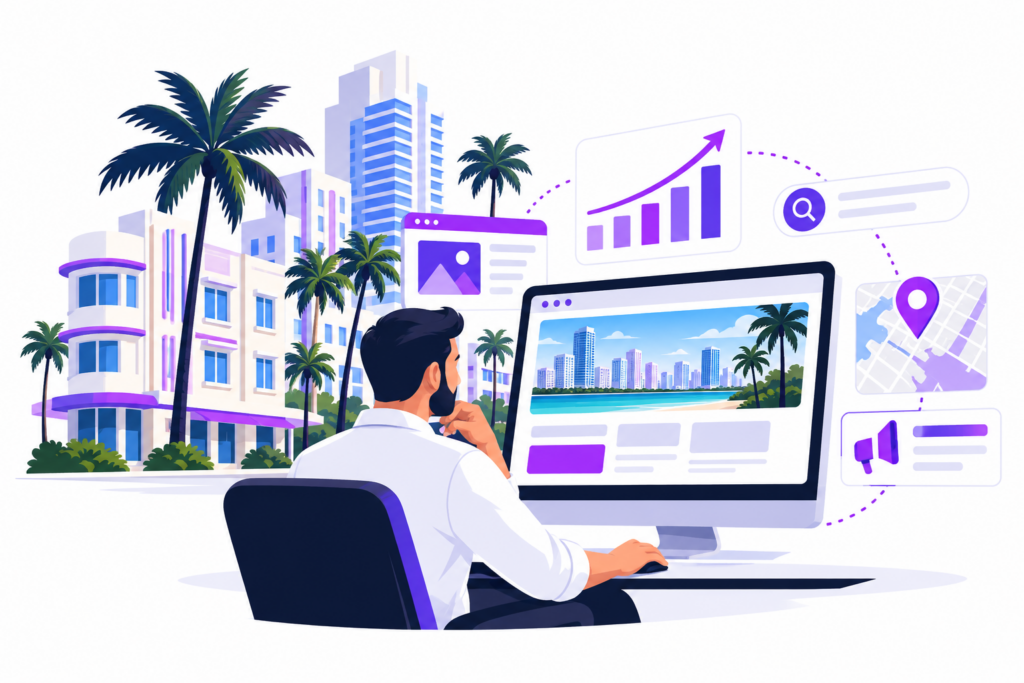
We do not report on vague “visibility” scores. We track what can be verified: calls tied to specific pages and campaigns through call tracking numbers, form submissions by source, and ranking position for the actual terms your practice depends on, like “family doctor Lauderdale Lakes” or “urgent care near me” at the specific times of day those searches spike. Multi-touchpoint attribution shows whether a patient found you through organic search, a paid ad, or a map pack listing, so the budget decision is based on what the data shows, not a guess.
We also track practical things that affect medical sites specifically: page load time on mobile, whether provider pages have correct schema markup, and whether appointment forms are actually submitting without errors. A broken form on a medical site is worse than a slow page, because the patient who tried to book and failed usually does not try again.
Legal and professional services
Explain practice areas, relevant experience, service locations, and consultation options. Organize pages around the specific services potential clients search for.
Medical and healthcare practices
Make treatment information, provider details, location information, and appointment options easy to find. Review health-related claims carefully.
Financial services
Present services, qualifications, and contact pathways clearly while respecting applicable advertising and compliance requirements.
Technology and business services
Explain complex offerings in plain language, demonstrate practical value, and create landing pages for distinct solutions.
Local service businesses
Build relevant service and location pages, improve Google Business Profile information, and make calls and enquiry forms easy to use.
What it costs
Cost is a live question in Lauderdale Lakes and we would rather address it here than make you wait for a call to find out. Medical practice marketing is not one fixed price because the work is not one fixed scope. A single-location family practice needs a different build than a multi-location group with providers who each need credentialed bio pages and HIPAA-safe intake across every location.
What we can tell you without a call: the cost scales with the number of locations, the number of providers needing individual pages, and whether you are starting with search engine optimization, paid Google Ads, or both. We do not price by guesswork and we do not lock practices into long contracts to hide a weak result behind a renewal date. Ask us directly and we will walk through your specific situation and give you a number, not a range pulled from a sales script.
Why this matters for independent and group practices
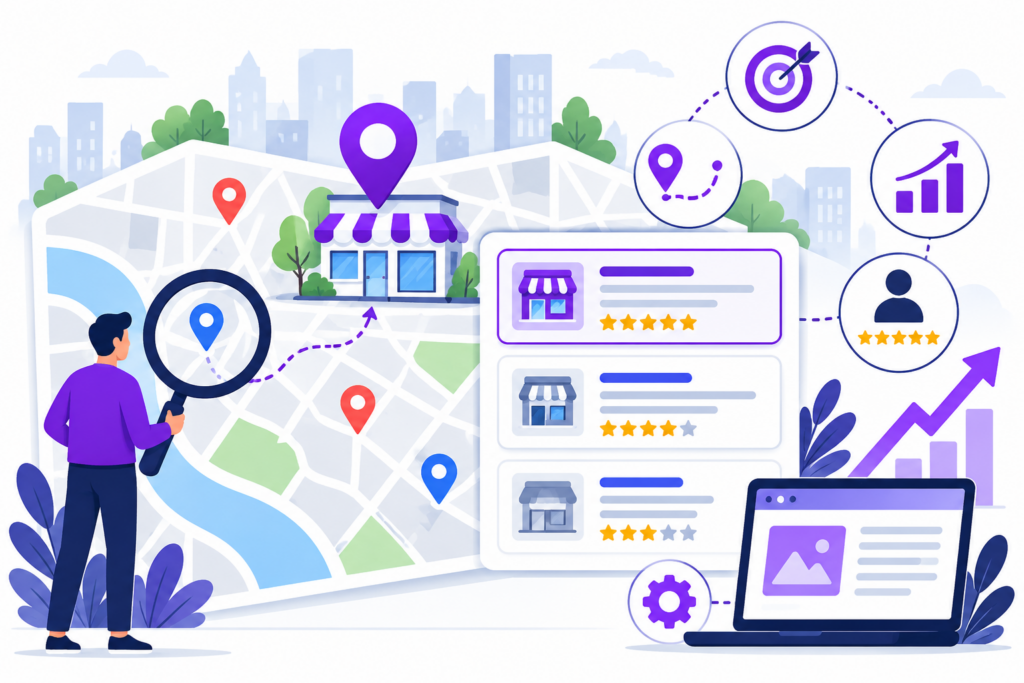
Lauderdale Lakes has a strong base of independent providers, not just large groups. If you are a solo practitioner or a small group competing against bigger-budget clinics, the map pack and organic search are where you can compete on substance rather than ad spend. A complete, accurate, fast, well-structured site is one of the few places a smaller practice can match a larger one on equal footing, because Google’s ranking signals care about relevance and trust, not practice size.

Working with a market this dense
Dense suburbs like Lauderdale Lakes compress a lot of competing practices into a small radius. That means your website and your Google Business Profile are doing more comparative work per visitor than they would in a spread-out market. A visitor comparing three urgent care clinics within two miles of each other is reading your hours, your insurance list, and your reviews side by side with two others in the same tab session, often before they’ve even decided to call anyone.
We treat that comparison as the real battleground, not an afterthought after the click. That means making sure your accepted insurance plans are listed plainly, your hours are accurate down to holiday closures, and your reviews are current enough to outweigh a competitor’s. It also means your site loads fast on a phone, since most of this comparison shopping happens on mobile, often from a parking lot or waiting room nearby.

Built for how patients actually decide here
Patients searching for care in Lauderdale Lakes are weighing cost, insurance acceptance, and distance in the same few minutes they spend reading your site. If that information is buried three clicks deep, written in vague terms, or missing entirely, they do not call to ask — they move on to the next listing. We build your site so insurance carriers, office hours, accepted plans, and your exact location are visible fast, on mobile, without making a visitor hunt or scroll through unrelated content to find them.
- Insurance and accepted plans stated plainly near the top of the page
- Hours and location sized and placed for a quick mobile glance
- Clear next step, so a decided visitor can book or call immediately
That is a small design decision with a direct, measurable effect on whether the call actually gets made.
FAQ's
These are the 5 questions Lauderdale Lakes homeowners ask us most about medical practice marketing, answered plainly so you know what to expect before any work starts. If yours isn't covered here, get in touch and we'll walk you through it.
Does my practice need a page for each location, or can one page cover both?
If you see patients at more than one address, a dedicated page per location with its own hours, providers, and address usually performs better than one shared page trying to represent both. One page covering two locations often ranks weakly for both instead of well for either.
How do you handle HIPAA on appointment request forms?
We either route form submissions through a HIPAA-compliant intake system or limit what the public form collects, moving any protected health information into a compliant process after first contact. A standard contact form plugin is not built for that and we do not treat it as adequate for medical intake.
Will adding provider credentials and bios actually affect my search rankings?
Credentials, board certifications, and detailed bios support what Google calls E-E-A-T, experience, expertise, authority, and trust, which carries extra weight on health content. It will not guarantee a ranking, but thin or missing provider information is a common reason medical pages underperform.
How much does medical practice marketing cost in Lauderdale Lakes?
It depends on the number of locations, providers, and whether the work includes SEO, Google Ads, or both. We give an exact number after understanding your situation rather than quoting a generic range that does not reflect your actual scope.
Is the map pack or organic search more important for a practice here?
Both matter, but for dense neighborhood-level searches like "urgent care near me," the map pack often gets the first look on mobile. Organic search still carries weight for broader terms and for patients doing more research before choosing a provider.