
- Home
- Services
- Portfolio
- About
- Service AreasFort Lauderdale, FL
- Web Design
- Redesign
- WordPress
- Ecommerce
- Landing Pages
- SEO Services
- Local SEO
- GBP
- Google Ads
- PPC
- Digital Marketing
- Internet Marketing
- Advertising
- Tracking
- Dental Marketing
- Medical Marketing
- HVAC Marketing
- Roofing Marketing
- Pest Control Marketing
- Home Services Marketing
- Plumbing Marketing
- Electrical Marketing
- Landscaping Marketing
- Remodeling Marketing
Pembroke Pines, FL- Web Design
- Redesign
- WordPress
- Ecommerce
- Landing Pages
- SEO Services
- Local SEO
- GBP
- Google Ads
- PPC
- Digital Marketing
- Internet Marketing
- Advertising
- Tracking
- Dental Marketing
- Medical Marketing
- HVAC Marketing
- Roofing Marketing
- Pest Control Marketing
- Home Services Marketing
- Plumbing Marketing
- Electrical Marketing
- Landscaping Marketing
- Remodeling Marketing
Hialeah, FL- Web Design
- Redesign
- WordPress
- Ecommerce
- Landing Pages
- SEO Services
- Local SEO
- GBP
- Google Ads
- PPC
- Digital Marketing
- Internet Marketing
- Advertising
- Tracking
- Dental Marketing
- Medical Marketing
- HVAC Marketing
- Roofing Marketing
- Pest Control Marketing
- Home Services Marketing
- Plumbing Marketing
- Electrical Marketing
- Landscaping Marketing
- Remodeling Marketing
Hollywood, FL- Web Design
- Redesign
- WordPress
- Ecommerce
- Landing Pages
- SEO Services
- Local SEO
- GBP
- Google Ads
- PPC
- Digital Marketing
- Internet Marketing
- Advertising
- Tracking
- Dental Marketing
- Medical Marketing
- HVAC Marketing
- Roofing Marketing
- Pest Control Marketing
- Home Services Marketing
- Plumbing Marketing
- Electrical Marketing
- Landscaping Marketing
- Remodeling Marketing
Miramar, FL- Web Design
- Redesign
- WordPress
- Ecommerce
- Landing Pages
- SEO Services
- Local SEO
- GBP
- Google Ads
- PPC
- Digital Marketing
- Internet Marketing
- Advertising
- Tracking
- Dental Marketing
- Medical Marketing
- HVAC Marketing
- Roofing Marketing
- Pest Control Marketing
- Home Services Marketing
- Plumbing Marketing
- Electrical Marketing
- Landscaping Marketing
- Remodeling Marketing
Coral Springs, FL- Web Design
- Redesign
- WordPress
- Ecommerce
- Landing Pages
- SEO Services
- Local SEO
- GBP
- Google Ads
- PPC
- Digital Marketing
- Internet Marketing
- Advertising
- Tracking
- Dental Marketing
- Medical Marketing
- HVAC Marketing
- Roofing Marketing
- Pest Control Marketing
- Home Services Marketing
- Plumbing Marketing
- Electrical Marketing
- Landscaping Marketing
- Remodeling Marketing
Pompano Beach, FL- Web Design
- Redesign
- WordPress
- Ecommerce
- Landing Pages
- SEO Services
- Local SEO
- GBP
- Google Ads
- PPC
- Digital Marketing
- Internet Marketing
- Advertising
- Tracking
- Dental Marketing
- Medical Marketing
- HVAC Marketing
- Roofing Marketing
- Pest Control Marketing
- Home Services Marketing
- Plumbing Marketing
- Electrical Marketing
- Landscaping Marketing
- Remodeling Marketing
Davie, FL- Web Design
- Redesign
- WordPress
- Ecommerce
- Landing Pages
- SEO Services
- Local SEO
- GBP
- Google Ads
- PPC
- Digital Marketing
- Internet Marketing
- Advertising
- Tracking
- Dental Marketing
- Medical Marketing
- HVAC Marketing
- Roofing Marketing
- Pest Control Marketing
- Home Services Marketing
- Plumbing Marketing
- Electrical Marketing
- Landscaping Marketing
- Remodeling Marketing
Sunrise, FL- Web Design
- Redesign
- WordPress
- Ecommerce
- Landing Pages
- SEO Services
- Local SEO
- GBP
- Google Ads
- PPC
- Digital Marketing
- Internet Marketing
- Advertising
- Tracking
- Dental Marketing
- Medical Marketing
- HVAC Marketing
- Roofing Marketing
- Pest Control Marketing
- Home Services Marketing
- Plumbing Marketing
- Electrical Marketing
- Landscaping Marketing
- Remodeling Marketing
Plantation, FL- Web Design
- Redesign
- WordPress
- Ecommerce
- Landing Pages
- SEO Services
- Local SEO
- GBP
- Google Ads
- PPC
- Digital Marketing
- Internet Marketing
- Advertising
- Tracking
- Dental Marketing
- Medical Marketing
- HVAC Marketing
- Roofing Marketing
- Pest Control Marketing
- Home Services Marketing
- Plumbing Marketing
- Electrical Marketing
- Landscaping Marketing
- Remodeling Marketing
Deerfield Beach, FL- Web Design
- Redesign
- WordPress
- Ecommerce
- Landing Pages
- SEO Services
- Local SEO
- GBP
- Google Ads
- PPC
- Digital Marketing
- Internet Marketing
- Advertising
- Tracking
- Dental Marketing
- Medical Marketing
- HVAC Marketing
- Roofing Marketing
- Pest Control Marketing
- Home Services Marketing
- Plumbing Marketing
- Electrical Marketing
- Landscaping Marketing
- Remodeling Marketing
Miami Gardens, FL- Web Design
- Redesign
- WordPress
- Ecommerce
- Landing Pages
- SEO Services
- Local SEO
- GBP
- Google Ads
- PPC
- Digital Marketing
- Internet Marketing
- Advertising
- Tracking
- Dental Marketing
- Medical Marketing
- HVAC Marketing
- Roofing Marketing
- Pest Control Marketing
- Home Services Marketing
- Plumbing Marketing
- Electrical Marketing
- Landscaping Marketing
- Remodeling Marketing
Lauderhill, FL- Web Design
- Redesign
- WordPress
- Ecommerce
- Landing Pages
- SEO Services
- Local SEO
- GBP
- Google Ads
- PPC
- Digital Marketing
- Internet Marketing
- Advertising
- Tracking
- Dental Marketing
- Medical Marketing
- HVAC Marketing
- Roofing Marketing
- Pest Control Marketing
- Home Services Marketing
- Plumbing Marketing
- Electrical Marketing
- Landscaping Marketing
- Remodeling Marketing
West Palm Beach, FL- Web Design
- Redesign
- WordPress
- Ecommerce
- Landing Pages
- SEO Services
- Local SEO
- GBP
- Google Ads
- PPC
- Digital Marketing
- Internet Marketing
- Advertising
- Tracking
- Dental Marketing
- Medical Marketing
- HVAC Marketing
- Roofing Marketing
- Pest Control Marketing
- Home Services Marketing
- Plumbing Marketing
- Electrical Marketing
- Landscaping Marketing
- Remodeling Marketing
Tamarac, FL- Web Design
- Redesign
- WordPress
- Ecommerce
- Landing Pages
- SEO Services
- Local SEO
- GBP
- Google Ads
- PPC
- Digital Marketing
- Internet Marketing
- Advertising
- Tracking
- Dental Marketing
- Medical Marketing
- HVAC Marketing
- Roofing Marketing
- Pest Control Marketing
- Home Services Marketing
- Plumbing Marketing
- Electrical Marketing
- Landscaping Marketing
- Remodeling Marketing
Weston, FL- Web Design
- Redesign
- WordPress
- Ecommerce
- Landing Pages
- SEO Services
- Local SEO
- GBP
- Google Ads
- PPC
- Digital Marketing
- Internet Marketing
- Advertising
- Tracking
- Dental Marketing
- Medical Marketing
- HVAC Marketing
- Roofing Marketing
- Pest Control Marketing
- Home Services Marketing
- Plumbing Marketing
- Electrical Marketing
- Landscaping Marketing
- Remodeling Marketing
Boca Raton, FLMargate, FLCoconut Creek, FLMiami Beach, FLHomestead, FLKendall, FLDoral, FLBoynton Beach, FLThe Hammocks, FLNorth Lauderdale, FLOakland Park, FLDelray Beach, FLNorth Miami, FLHallandale Beach, FLFontainebleau, FLKendale Lakes, FLWellington, FLJupiter, FLTamiami, FLPalm Beach Gardens, FLLauderdale Lakes, FLCooper City, FLCountry Club, FLParkland, FLCoral Gables, FLDania Beach, FLCutler Bay, FLNorth Miami Beach, FLGreenacres, FLLake Worth Beach, FLPrinceton, FLRoyal Palm Beach, FLSouth Miami Heights, FLRichmond West, FLRiviera Beach, FLWest Little River, FLGolden Glades, FLAventura, FLMiami Lakes, FLWestchester, FLLeisure City, FLCoral Terrace, FLPalm Springs, FLPalmetto Bay, FLHialeah Gardens, FLSunny Isles Beach, FLIves Estates, FLWest Park, FLSweetwater, FLPinecrest, FLSunset, FLPinewood, FLWilton Manors, FLOpa-locka, FLLighthouse Point, FLBelle Glade, FLNaranja, FLPalmetto Estates, FLBrownsville, FLKey Biscayne, FLOlympia Heights, FLMiami Springs, FLFlorida City, FLSouth Miami, FLThree Lakes, FLGladeview, FLNorth Palm Beach, FLMiami Shores, FLSouthwest Ranches, FLKings Point, FLLauderdale-by-the-Sea, FLHillsboro Beach, FLSea Ranch Lakes, FLLazy Lake, FL - Blog
- Contact
Marketing for Dental Practices in Palm Beach Gardens, Florida
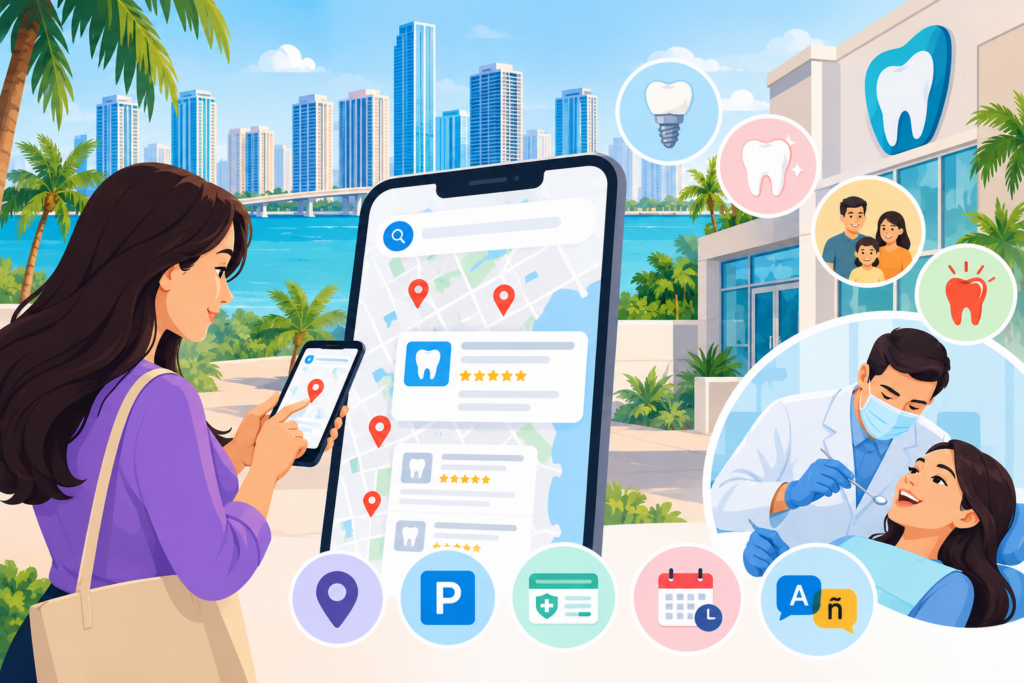
A new patient in Palm Beach Gardens doesn’t call the first practice they find. They open several tabs, compare options near PGA Boulevard or Military Trail, check insurance acceptance, and read reviews before dialing. If your site doesn’t answer the insurance question and show the specific procedure they searched for, they close the tab and call the next practice.
Strategic Web Designs builds dental practice marketing around that buying behavior, not generic “improve your visibility” promises. As a South Florida agency, we work with Palm Beach Gardens practices on the pages, ads, and tracking that turn that research phase into a booked appointment, not just a visit that bounces to a competitor.

How Palm Beach Gardens dental buyers search
Searches in this market tend to be specific. People do not search “dentist near me” as often as you would think once they are past the first click. They search “implant dentist Palm Beach Gardens,” “pediatric dentist PGA Boulevard,” “cosmetic dentist that takes Cigna,” or “emergency tooth extraction Palm Beach Gardens today.” Each of those is a different page, a different intent, and in most cases a different insurance filter.
Palm Beach Gardens skews older and more affluent than most Florida metros, with a strong base of retirees, medical and marine-industry professionals, and golf and country club residents clustered around PGA Boulevard, Old Palm, and the Gardens Mall corridor. That demographic reads before it calls. A 55-year-old researching a full-mouth reconstruction is not going to book from a single home page with a phone number and a stock photo of a smile. They want to see the procedure explained, the sedation options, the expected timeline, and whether their plan is accepted, before they commit to a consultation that might run into five figures.
That research habit changes what has to exist on the site. A single “Services” page listing twelve procedures in a bullet list does not answer any one search well. A page built specifically for “dental implants Palm Beach Gardens” that addresses cost ranges, healing time, and financing does, as does a separate page for Invisalign that treats orthodontic buyers as a distinct audience from implant patients. The buyer here rewards depth, and punishes thin pages by leaving within seconds.
Insurance is the other filter that shows up constantly in this market. Searchers commonly look for:
- PPO acceptance by specific insurer name
- HMO exclusions and out-of-network policies
- Fee-for-service or cash-pay only practices
- Financing or membership plan options for uninsured patients
If that information is buried in a PDF or missing entirely, the practice loses the click to a competitor who put it directly on the page, in plain language, near the top where it can actually be found.
The competition here
Palm Beach Gardens has a dense concentration of dental practices for its size, particularly along PGA Boulevard, Northlake Boulevard, and the stretch near the Gardens Mall. Within a two-mile radius of most residential pockets, a searcher can usually find three to five practices offering overlapping services: general dentistry, cosmetic work, implants, and pediatric care. Add in the practices clustered toward Legacy Place and the Donald Ross corridor, and the real competitive set for most offices is closer to eight or ten once you account for patients who will drive fifteen minutes for the right fit. That density means organic rankings and the Google Business Profile map pack both matter, and neither one is easy to win by default.
The map pack tends to favor practices with a steady volume of recent reviews, consistent name-address-phone data, and category-specific listings. A practice that only lists “Dentist” competes with everyone; one that also qualifies for “Cosmetic Dentist,” “Pediatric Dentist,” or “Emergency Dental Service” shows up in narrower, less crowded searches where the competing set might drop from ten practices to two or three. Organic search rewards depth in the same way: practices with a dedicated page for each procedure, each insurance scenario, and each patient concern outrank those running on a five-page template site, because Google can match a specific query to a specific page instead of guessing from a general one.
We are not going to tell you this market is easy to dominate, because it is not, and anyone who tells you otherwise has not looked at the actual search results for “dentist Palm Beach Gardens FL.” What we can tell you is where the gaps usually sit:
- One generic services page instead of procedure-specific pages for implants, Invisalign, veneers, and emergency care
- Inconsistent or delayed review responses, which Google and patients both notice
- No call tracking tied to specific pages or campaigns, so nobody actually knows what is working
Those are fixable, and they are where the work starts.

What we build for dental practices in this market
We start with the pages a buyer actually searches for: one for each high-value procedure (implants, Invisalign, veneers, emergency care, pediatric), and one for each major insurance scenario your practice handles. A patient searching “dental implants Palm Beach Gardens” and a patient searching “dentist that takes Delta Dental PPO” are both looking for your practice, but they need to land on different pages to convert.
Each procedure page covers what the buyer actually needs before calling: what the visit involves, rough cost ranges (never a guaranteed quote), financing options if you offer them, and what insurance typically covers. We write these in plain language, not clinical copy pulled from a brochure, because the person reading it is deciding whether to book, not studying for a dental exam.
On the Google Business Profile side, we check that your categories, service areas, and photos match what you actually offer, and we set up a review process so new reviews come in steadily rather than in a cluster right before you remember to ask. A profile with three-month-old reviews and generic categories gets outranked by one that is current and specific, even if the practice itself is smaller.
For paid search, we run Google Ads campaigns built around the same procedure and insurance structure, with each ad group sending traffic to the matching page instead of the home page. We exclude searches that are not worth paying for (job seekers, students researching for school, nearby cities you do not serve) so the budget goes toward people who could plausibly book.
Local SEO
Improve relevant website content, location signals, internal links, and service information to support local search visibility.
Google Business Profile
Review profile accuracy, categories, services, contact details, and other eligible information. Changes should follow Google's Business Profile guidelines.
Treatment pages
Build or improve pages for services such as general dentistry, cosmetic treatments, implants, or emergency appointments when those services are offered.
Paid search campaigns
Target relevant searches, refine location settings, and review search terms to reduce spend on enquiries that do not match the practice.
Conversion tracking
Measure available actions such as appointment-form submissions, calls, and clicks on booking links.
Website improvements
Make service information, insurance details, contact options, and booking steps easier to find on desktop and mobile.
What we measure
We use call tracking on every page and every campaign, so a call from your “dental implants” page shows up as a call from that page, not as an anonymous ring on your main line. The same applies to ads: a click from a “pediatric dentist Palm Beach Gardens” ad is tracked separately from one that came from organic search or a Google Business Profile listing.
That data feeds into multi-touchpoint attribution, because most dental patients do not convert on the first visit. Someone might find your implant page on a Tuesday, read a review on Thursday, and call the following Monday after seeing a retargeting ad. We track that path so you know which channels actually contributed, instead of crediting the last click and ignoring everything that led up to it.

Reporting is a monthly conversation, not a PDF that gets skimmed and filed. We walk through which pages generated calls, what those calls cost, and where the budget should shift next. If a channel is not producing, we say so and change it, because padding a report to look busy does not get anyone a new patient in Palm Beach Gardens. We also track new patient value over time, not just lead count, since a cosmetic consult and a cleaning inquiry are not worth the same to your practice.
- Organic search visibility and relevant website visits.
- Google Business Profile interactions and available performance data.
- Paid campaign clicks, search terms, and advertising costs.
- Tracked calls, appointment-form submissions, and booking actions.
- Enquiry quality, where the practice can reliably share and categorize that information.
- Changes made, issues identified, and recommended next steps.
What it costs
Cost depends on how many procedure and insurance pages your practice needs, whether your current site can support that structure, and how competitive your procedures are in paid search. Implant and cosmetic campaigns cost more per click than general cleaning searches, since ticket size is higher and more practices bid on them.

Get an audit
If you want a plain look at where your practice stands against the three or four competitors a patient is comparing you to right now, ask for an audit. We will show you your current page structure, your Google Business Profile standing, and what a typical search in Palm Beach Gardens surfaces for your procedures, from implants to Invisalign to routine cleanings. The audit also looks at review volume and response rate, load speed on mobile, and whether your service pages actually match what people type into Google.
- Google Business Profile and map pack standing
- On-page structure for your core procedures
- Review volume, recency, and response pattern
- Mobile speed and basic technical health
FAQ's
These are the 5 questions Palm Beach Gardens homeowners ask us most about dental practice marketing, answered plainly so you know what to expect before any work starts. If yours isn't covered here, get in touch and we'll walk you through it.
How long does it take to see new patient inquiries from SEO in Palm Beach Gardens?
There is no fixed timeline we can promise. Dental keywords in this market are competitive, and a buyer here often researches for weeks before calling. What we can tell you is the mechanism: visibility builds as pages get indexed, reviewed, and linked, and that process is measured in months, not days.
Do you work with the practice's existing website or build a new one?
It depends on what the current site is built on and whether it can support separate pages per service and per insurance type. Some sites can be restructured. Others are on platforms that fight you every step, and a rebuild ends up faster than patching.
Can you guarantee a certain number of new patients per month?
No. Anyone who guarantees a patient volume or a ranking position is guessing or lying. We can tell you what we are doing, show you the call tracking and the attribution data, and let the numbers speak for themselves month to month.
Do you handle PPO and insurance-specific landing pages?
Yes. If your practice takes Delta Dental PPO but not Cigna HMO, or you are fee-for-service only, that needs to be clear before the click, not after the call. We build pages structured around insurance status because it is one of the top filters a buyer applies before dialing.
What does reporting actually look like?
You get call tracking tied to the specific page or ad that generated the call, and a dashboard that shows source, keyword, and cost per call. We do not report on impressions or "visibility scores" as a substitute for a traceable call.