
- Home
- Services
- Portfolio
- About
- Service AreasFort Lauderdale, FL
- Web Design
- Redesign
- WordPress
- Ecommerce
- Landing Pages
- SEO Services
- Local SEO
- GBP
- Google Ads
- PPC
- Digital Marketing
- Internet Marketing
- Advertising
- Tracking
- Dental Marketing
- Medical Marketing
- HVAC Marketing
- Roofing Marketing
- Pest Control Marketing
- Home Services Marketing
- Plumbing Marketing
- Electrical Marketing
- Landscaping Marketing
- Remodeling Marketing
Pembroke Pines, FL- Web Design
- Redesign
- WordPress
- Ecommerce
- Landing Pages
- SEO Services
- Local SEO
- GBP
- Google Ads
- PPC
- Digital Marketing
- Internet Marketing
- Advertising
- Tracking
- Dental Marketing
- Medical Marketing
- HVAC Marketing
- Roofing Marketing
- Pest Control Marketing
- Home Services Marketing
- Plumbing Marketing
- Electrical Marketing
- Landscaping Marketing
- Remodeling Marketing
Hialeah, FL- Web Design
- Redesign
- WordPress
- Ecommerce
- Landing Pages
- SEO Services
- Local SEO
- GBP
- Google Ads
- PPC
- Digital Marketing
- Internet Marketing
- Advertising
- Tracking
- Dental Marketing
- Medical Marketing
- HVAC Marketing
- Roofing Marketing
- Pest Control Marketing
- Home Services Marketing
- Plumbing Marketing
- Electrical Marketing
- Landscaping Marketing
- Remodeling Marketing
Hollywood, FL- Web Design
- Redesign
- WordPress
- Ecommerce
- Landing Pages
- SEO Services
- Local SEO
- GBP
- Google Ads
- PPC
- Digital Marketing
- Internet Marketing
- Advertising
- Tracking
- Dental Marketing
- Medical Marketing
- HVAC Marketing
- Roofing Marketing
- Pest Control Marketing
- Home Services Marketing
- Plumbing Marketing
- Electrical Marketing
- Landscaping Marketing
- Remodeling Marketing
Miramar, FL- Web Design
- Redesign
- WordPress
- Ecommerce
- Landing Pages
- SEO Services
- Local SEO
- GBP
- Google Ads
- PPC
- Digital Marketing
- Internet Marketing
- Advertising
- Tracking
- Dental Marketing
- Medical Marketing
- HVAC Marketing
- Roofing Marketing
- Pest Control Marketing
- Home Services Marketing
- Plumbing Marketing
- Electrical Marketing
- Landscaping Marketing
- Remodeling Marketing
Coral Springs, FL- Web Design
- Redesign
- WordPress
- Ecommerce
- Landing Pages
- SEO Services
- Local SEO
- GBP
- Google Ads
- PPC
- Digital Marketing
- Internet Marketing
- Advertising
- Tracking
- Dental Marketing
- Medical Marketing
- HVAC Marketing
- Roofing Marketing
- Pest Control Marketing
- Home Services Marketing
- Plumbing Marketing
- Electrical Marketing
- Landscaping Marketing
- Remodeling Marketing
Pompano Beach, FL- Web Design
- Redesign
- WordPress
- Ecommerce
- Landing Pages
- SEO Services
- Local SEO
- GBP
- Google Ads
- PPC
- Digital Marketing
- Internet Marketing
- Advertising
- Tracking
- Dental Marketing
- Medical Marketing
- HVAC Marketing
- Roofing Marketing
- Pest Control Marketing
- Home Services Marketing
- Plumbing Marketing
- Electrical Marketing
- Landscaping Marketing
- Remodeling Marketing
Davie, FL- Web Design
- Redesign
- WordPress
- Ecommerce
- Landing Pages
- SEO Services
- Local SEO
- GBP
- Google Ads
- PPC
- Digital Marketing
- Internet Marketing
- Advertising
- Tracking
- Dental Marketing
- Medical Marketing
- HVAC Marketing
- Roofing Marketing
- Pest Control Marketing
- Home Services Marketing
- Plumbing Marketing
- Electrical Marketing
- Landscaping Marketing
- Remodeling Marketing
Sunrise, FL- Web Design
- Redesign
- WordPress
- Ecommerce
- Landing Pages
- SEO Services
- Local SEO
- GBP
- Google Ads
- PPC
- Digital Marketing
- Internet Marketing
- Advertising
- Tracking
- Dental Marketing
- Medical Marketing
- HVAC Marketing
- Roofing Marketing
- Pest Control Marketing
- Home Services Marketing
- Plumbing Marketing
- Electrical Marketing
- Landscaping Marketing
- Remodeling Marketing
Plantation, FL- Web Design
- Redesign
- WordPress
- Ecommerce
- Landing Pages
- SEO Services
- Local SEO
- GBP
- Google Ads
- PPC
- Digital Marketing
- Internet Marketing
- Advertising
- Tracking
- Dental Marketing
- Medical Marketing
- HVAC Marketing
- Roofing Marketing
- Pest Control Marketing
- Home Services Marketing
- Plumbing Marketing
- Electrical Marketing
- Landscaping Marketing
- Remodeling Marketing
Deerfield Beach, FL- Web Design
- Redesign
- WordPress
- Ecommerce
- Landing Pages
- SEO Services
- Local SEO
- GBP
- Google Ads
- PPC
- Digital Marketing
- Internet Marketing
- Advertising
- Tracking
- Dental Marketing
- Medical Marketing
- HVAC Marketing
- Roofing Marketing
- Pest Control Marketing
- Home Services Marketing
- Plumbing Marketing
- Electrical Marketing
- Landscaping Marketing
- Remodeling Marketing
Miami Gardens, FL- Web Design
- Redesign
- WordPress
- Ecommerce
- Landing Pages
- SEO Services
- Local SEO
- GBP
- Google Ads
- PPC
- Digital Marketing
- Internet Marketing
- Advertising
- Tracking
- Dental Marketing
- Medical Marketing
- HVAC Marketing
- Roofing Marketing
- Pest Control Marketing
- Home Services Marketing
- Plumbing Marketing
- Electrical Marketing
- Landscaping Marketing
- Remodeling Marketing
Lauderhill, FL- Web Design
- Redesign
- WordPress
- Ecommerce
- Landing Pages
- SEO Services
- Local SEO
- GBP
- Google Ads
- PPC
- Digital Marketing
- Internet Marketing
- Advertising
- Tracking
- Dental Marketing
- Medical Marketing
- HVAC Marketing
- Roofing Marketing
- Pest Control Marketing
- Home Services Marketing
- Plumbing Marketing
- Electrical Marketing
- Landscaping Marketing
- Remodeling Marketing
West Palm Beach, FL- Web Design
- Redesign
- WordPress
- Ecommerce
- Landing Pages
- SEO Services
- Local SEO
- GBP
- Google Ads
- PPC
- Digital Marketing
- Internet Marketing
- Advertising
- Tracking
- Dental Marketing
- Medical Marketing
- HVAC Marketing
- Roofing Marketing
- Pest Control Marketing
- Home Services Marketing
- Plumbing Marketing
- Electrical Marketing
- Landscaping Marketing
- Remodeling Marketing
Tamarac, FL- Web Design
- Redesign
- WordPress
- Ecommerce
- Landing Pages
- SEO Services
- Local SEO
- GBP
- Google Ads
- PPC
- Digital Marketing
- Internet Marketing
- Advertising
- Tracking
- Dental Marketing
- Medical Marketing
- HVAC Marketing
- Roofing Marketing
- Pest Control Marketing
- Home Services Marketing
- Plumbing Marketing
- Electrical Marketing
- Landscaping Marketing
- Remodeling Marketing
Weston, FL- Web Design
- Redesign
- WordPress
- Ecommerce
- Landing Pages
- SEO Services
- Local SEO
- GBP
- Google Ads
- PPC
- Digital Marketing
- Internet Marketing
- Advertising
- Tracking
- Dental Marketing
- Medical Marketing
- HVAC Marketing
- Roofing Marketing
- Pest Control Marketing
- Home Services Marketing
- Plumbing Marketing
- Electrical Marketing
- Landscaping Marketing
- Remodeling Marketing
Boca Raton, FLMargate, FLCoconut Creek, FLMiami Beach, FLHomestead, FLKendall, FLDoral, FLBoynton Beach, FLThe Hammocks, FLNorth Lauderdale, FLOakland Park, FLDelray Beach, FLNorth Miami, FLHallandale Beach, FLFontainebleau, FLKendale Lakes, FLWellington, FLJupiter, FLTamiami, FLPalm Beach Gardens, FLLauderdale Lakes, FLCooper City, FLCountry Club, FLParkland, FLCoral Gables, FLDania Beach, FLCutler Bay, FLNorth Miami Beach, FLGreenacres, FLLake Worth Beach, FLPrinceton, FLRoyal Palm Beach, FLSouth Miami Heights, FLRichmond West, FLRiviera Beach, FLWest Little River, FLGolden Glades, FLAventura, FLMiami Lakes, FLWestchester, FLLeisure City, FLCoral Terrace, FLPalm Springs, FLPalmetto Bay, FLHialeah Gardens, FLSunny Isles Beach, FLIves Estates, FLWest Park, FLSweetwater, FLPinecrest, FLSunset, FLPinewood, FLWilton Manors, FLOpa-locka, FLLighthouse Point, FLBelle Glade, FLNaranja, FLPalmetto Estates, FLBrownsville, FLKey Biscayne, FLOlympia Heights, FLMiami Springs, FLFlorida City, FLSouth Miami, FLThree Lakes, FLGladeview, FLNorth Palm Beach, FLMiami Shores, FLSouthwest Ranches, FLKings Point, FLLauderdale-by-the-Sea, FLHillsboro Beach, FLSea Ranch Lakes, FLLazy Lake, FL - Blog
- Contact
Marketing for Medical Practices in Davie, Florida
How Davie Medical Practices buyers search
Most searches for a doctor, dentist, or urgent care in Davie happen on a phone, usually within a few miles of home or near SR-84 and University Drive. People search by symptom first, then by specialty: “knee pain doctor Davie” before “orthopedist,” “kid won’t stop coughing” before “pediatrician.” A good share also search by insurance or by Nova Southeastern affiliation, since that filters out half the results before a name ever gets read.

The competition here
Davie is not an easy map pack to win by default. It sits between Cooper City, Plantation, and Southwest Ranches, so the 3-pack for most medical searches pulls in practices from all four areas competing for the same radius. A chiropractor or dermatologist in Davie is not just competing with other Davie addresses, they’re competing with anyone whose service radius or map pin reaches into Davie’s zip codes, including larger groups headquartered near University Drive or Nova Southeastern’s medical corridor who treat the whole western Broward footprint as home turf.
Here is the honest part: for a lot of medical specialties, the map pack is dominated by practices with higher review counts and more consistent recent review velocity, not necessarily the closest one or the most qualified one. A practice with 40 reviews from this year will usually outrank a practice with 200 reviews from three years ago, which is counterintuitive to most owners until they see it happen on their own search term. Organic search for informational queries (symptoms, conditions, “what is,” “how long does recovery take”) is less crowded and more winnable for a practice willing to publish real content written by or reviewed by its own providers instead of syndicated boilerplate. We won’t tell you this market is wide open. It isn’t. But it is not saturated with practices doing the work correctly either, and that gap, consistent reviews plus genuine content, is where a new or growing practice competes and wins specific terms even against bigger budgets.
Seasonally, Davie sees a bump in new-patient searches in January and again in late August to September, tied to insurance resets and school physicals, and practices that plan content and ad spend around those windows get more out of the same budget than ones that run flat all year. Spanish-language search volume is meaningful here too, given the surrounding communities, and most competing practices have not built out a real Spanish version of their site, just a translate plugin bolted onto the homepage. A practice with genuinely translated pages, not machine-translated ones, has a real opening most competitors are leaving unclaimed.
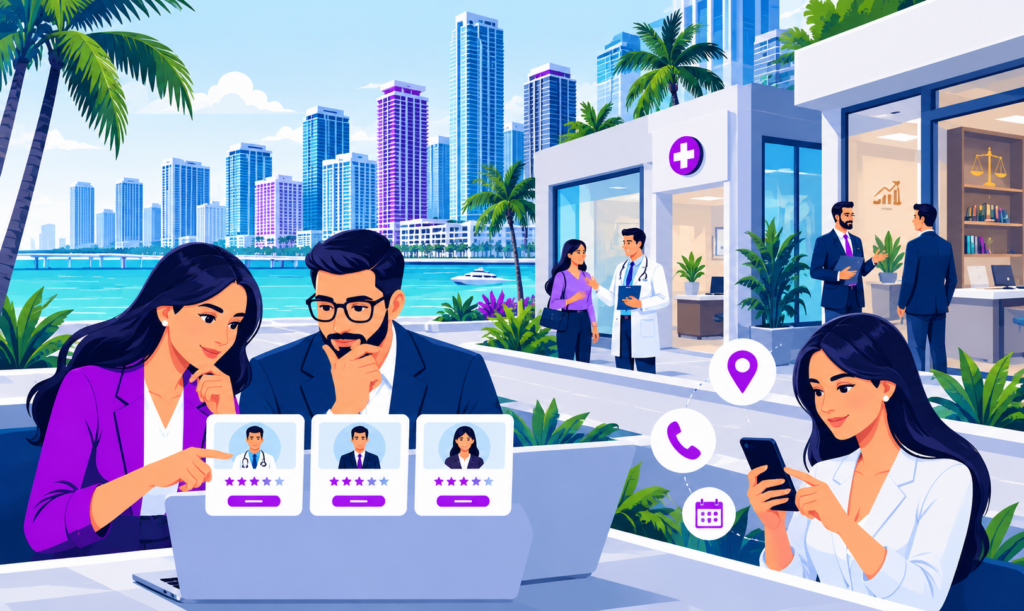
What we build for Medical Practices in this market
Provider pages that actually carry credentials. A single “About Us” page with four headshots does not rank and does not help a patient choose. Each provider gets a dedicated page: license number, board certification, school, years in specialty, languages spoken, and a photo that looks like a human took it in the office. This matters for E-E-A-T on YMYL content (Google’s own guidance on search quality rates medical pages under stricter expertise and trust standards than most other industries) and it matters to a patient deciding between two names on a screen. [EXTERNAL LINK: Google’s Search Quality Rater Guidelines on YMYL and E-E-A-T, as the authority source for why medical page expertise signals matter]
Service and condition pages, not one long homepage. If you treat fifteen conditions across three specialties, you need fifteen pages, each answering what a patient searches for that condition, what the visit involves, and who on your team handles it. One page cannot rank for forty different terms, and trying to stuff all of it onto a homepage just produces a page that ranks for nothing in particular.
HIPAA-safe forms, built correctly, not assumed. New patient intake forms, appointment requests, and contact forms that ask for symptoms or medical history need to be handled differently than a plumber’s contact form. We don’t store protected health information in a standard CRM or a marketing email tool unless that tool has a signed Business Associate Agreement in place. For most practices, that means routing clinical intake away from the marketing stack entirely and keeping the website form limited to name, phone, insurance carrier, and reason for visit at a high level, not diagnosis-specific detail. This is a build decision made before launch, not a patch after a complaint.
Multi-location structure, if you have more than one office. A practice with a Davie location and a second office in Plantation or Cooper City needs a location page for each address, each with its own Google Business Profile, its own set of hours, its own provider list, and its own local schema markup. Treating two locations as one combined page tells Google (and patients) that you’re one blurry entity instead of two real, visitable offices, and it actively hurts the map pack performance of both.
Google Business Profile work that matches a service-area reality. Davie’s business mix leans heavily toward service-area businesses, home services calling on residents rather than storefronts people walk into. Medical practices are a hybrid: you have a real address, but a lot of your competition in paid and map results are not addressed the same way a retail store is. We set your profile’s service area, categories, and attributes to reflect that your patients are coming from Davie, Cooper City, and Southwest Ranches, not just the block you’re on, and we keep the profile active with real photos and posts tied to actual office updates, not stock content.
Review generation that fits a medical workflow. Front desk staff get a short, repeatable script and a text-based request sent at checkout, not a blanket email blast that risks looking like it’s soliciting feedback on care outcomes. We keep the request neutral (about the visit experience, not the diagnosis) to stay on the right side of platform policy and patient privacy expectations.
Search ads scoped to insurance and specialty, not broad medical terms. Running ads on broad terms like “doctor near me” burns budget fast in a market where click costs for medical terms are already high. We build campaigns around specific procedures, specific insurance acceptance, and specific conditions, with call tracking on every number so you can see which campaign or keyword produced the phone call, not just the click.
None of this is exotic. It is the same discipline applied to a category where the mistakes cost more, because a bad page about a knee replacement is a different liability than a bad page about lawn care.

What we measure
We track call volume by source with call tracking numbers, so a Davie campaign shows you which keyword or ad group produced the phone ringing, not an assumption. We track form submissions the same way, separated by location if you have more than one office. We track Google Business Profile actions (calls, direction requests, website clicks) by location, which matters most for a service-area-heavy market like this one where the profile often does more work than the address.
We report organic rankings for the actual terms patients search, not vanity keywords nobody types. We report new-patient form and call volume trends over time, cost per lead from paid campaigns, and where leads drop off in the funnel, whether that’s the ad, the landing page, or the form itself. You see the same numbers we do.
Legal and professional services
Explain practice areas, relevant experience, service locations, and consultation options. Organize pages around the specific services potential clients search for.
Medical and healthcare practices
Make treatment information, provider details, location information, and appointment options easy to find. Review health-related claims carefully.
Financial services
Present services, qualifications, and contact pathways clearly while respecting applicable advertising and compliance requirements.
Technology and business services
Explain complex offerings in plain language, demonstrate practical value, and create landing pages for distinct solutions.
Local service businesses
Build relevant service and location pages, improve Google Business Profile information, and make calls and enquiry forms easy to use.
What it costs
Medical marketing in Davie costs more to do correctly than most local service categories, mainly because of the content and compliance work on the front end: provider bios, condition pages, HIPAA-aware form routing, and multi-location schema if you have more than one office. Paid search costs more per click too, since medical terms carry higher competition in the auction.
Pricing depends on how many providers and locations you have, whether you need ongoing content for condition pages, and whether you’re running search ads alongside SEO or SEO alone. We’ll give you a specific number after we look at your current site and your specialty mix, not before. Call (754) 704-4727 for a straight answer on what your situation would actually require.

Get an audit
We’ll look at your current Google Business Profile, your provider pages, your form setup, and how your site handles patient privacy on intake. We also check page speed on mobile, whether your scheduling flow actually converts, and how your practice shows up for the specific procedures or specialties you want more patients for. You’ll get a written list of what’s working, what’s not, and what it would take to fix it, specific to your Davie location and your specialty.
- Google Business Profile and local map pack standing
- Provider and service page content and structure
- Patient intake forms and privacy handling
- Site speed, mobile experience, and booking flow
Request the audit online or give us a call. No pressure, no generic report, just a direct read on where you stand against the other practices actually competing with you in this zip code, and what it would take to pull ahead of them.


FAQ's
These are the 5 questions Davie homeowners ask us most about medical practice marketing, answered plainly so you know what to expect before any work starts. If yours isn't covered here, get in touch and we'll walk you through it.
Does my practice need a Davie-specific page if I already have a general website?
Yes, if you want to show up for Davie-specific searches. A general "about our practice" page does not target the neighborhoods, insurance plans, or conditions patients in Davie actually search for. A location or city-specific page, built correctly with your actual provider and service information, does.
Can you run ads for my practice without violating HIPAA?
Yes. Ad platforms restrict how health-related data can be used for targeting, and we build campaigns around procedures, specialties, and general location rather than any patient-specific or health-condition-specific audience data. Forms are kept to non-clinical fields.
How long does it take to see movement in Davie search results?
It depends on your specialty, your current site, and how competitive the specific terms are. We won't promise a timeline because none of us control Google's crawl and ranking schedule. What we can tell you is what work is being done each month and show you the data as it moves.
We have two locations, one in Davie and one in Cooper City. Do we need two separate marketing plans?
You need two separate Google Business Profiles and two location pages at minimum, each with its own provider list and local signals. The underlying content strategy and ad account can be managed together, but the local visibility work has to be done per location.
Do you handle the Spanish-language side of search for Davie?
We can build and optimize a genuine Spanish version of your site and provider pages, not a plugin translation. Given Davie's search volume in Spanish for medical terms, this is worth evaluating during an audit rather than assuming it's unnecessary.