
- Home
- Services
- Portfolio
- About
- Service AreasFort Lauderdale, FL
- Web Design
- Redesign
- WordPress
- Ecommerce
- Landing Pages
- SEO Services
- Local SEO
- GBP
- Google Ads
- PPC
- Digital Marketing
- Internet Marketing
- Advertising
- Tracking
- Dental Marketing
- Medical Marketing
- HVAC Marketing
- Roofing Marketing
- Pest Control Marketing
- Home Services Marketing
- Plumbing Marketing
- Electrical Marketing
- Landscaping Marketing
- Remodeling Marketing
Pembroke Pines, FL- Web Design
- Redesign
- WordPress
- Ecommerce
- Landing Pages
- SEO Services
- Local SEO
- GBP
- Google Ads
- PPC
- Digital Marketing
- Internet Marketing
- Advertising
- Tracking
- Dental Marketing
- Medical Marketing
- HVAC Marketing
- Roofing Marketing
- Pest Control Marketing
- Home Services Marketing
- Plumbing Marketing
- Electrical Marketing
- Landscaping Marketing
- Remodeling Marketing
Hialeah, FL- Web Design
- Redesign
- WordPress
- Ecommerce
- Landing Pages
- SEO Services
- Local SEO
- GBP
- Google Ads
- PPC
- Digital Marketing
- Internet Marketing
- Advertising
- Tracking
- Dental Marketing
- Medical Marketing
- HVAC Marketing
- Roofing Marketing
- Pest Control Marketing
- Home Services Marketing
- Plumbing Marketing
- Electrical Marketing
- Landscaping Marketing
- Remodeling Marketing
Hollywood, FL- Web Design
- Redesign
- WordPress
- Ecommerce
- Landing Pages
- SEO Services
- Local SEO
- GBP
- Google Ads
- PPC
- Digital Marketing
- Internet Marketing
- Advertising
- Tracking
- Dental Marketing
- Medical Marketing
- HVAC Marketing
- Roofing Marketing
- Pest Control Marketing
- Home Services Marketing
- Plumbing Marketing
- Electrical Marketing
- Landscaping Marketing
- Remodeling Marketing
Miramar, FL- Web Design
- Redesign
- WordPress
- Ecommerce
- Landing Pages
- SEO Services
- Local SEO
- GBP
- Google Ads
- PPC
- Digital Marketing
- Internet Marketing
- Advertising
- Tracking
- Dental Marketing
- Medical Marketing
- HVAC Marketing
- Roofing Marketing
- Pest Control Marketing
- Home Services Marketing
- Plumbing Marketing
- Electrical Marketing
- Landscaping Marketing
- Remodeling Marketing
Coral Springs, FL- Web Design
- Redesign
- WordPress
- Ecommerce
- Landing Pages
- SEO Services
- Local SEO
- GBP
- Google Ads
- PPC
- Digital Marketing
- Internet Marketing
- Advertising
- Tracking
- Dental Marketing
- Medical Marketing
- HVAC Marketing
- Roofing Marketing
- Pest Control Marketing
- Home Services Marketing
- Plumbing Marketing
- Electrical Marketing
- Landscaping Marketing
- Remodeling Marketing
Pompano Beach, FL- Web Design
- Redesign
- WordPress
- Ecommerce
- Landing Pages
- SEO Services
- Local SEO
- GBP
- Google Ads
- PPC
- Digital Marketing
- Internet Marketing
- Advertising
- Tracking
- Dental Marketing
- Medical Marketing
- HVAC Marketing
- Roofing Marketing
- Pest Control Marketing
- Home Services Marketing
- Plumbing Marketing
- Electrical Marketing
- Landscaping Marketing
- Remodeling Marketing
Davie, FL- Web Design
- Redesign
- WordPress
- Ecommerce
- Landing Pages
- SEO Services
- Local SEO
- GBP
- Google Ads
- PPC
- Digital Marketing
- Internet Marketing
- Advertising
- Tracking
- Dental Marketing
- Medical Marketing
- HVAC Marketing
- Roofing Marketing
- Pest Control Marketing
- Home Services Marketing
- Plumbing Marketing
- Electrical Marketing
- Landscaping Marketing
- Remodeling Marketing
Sunrise, FL- Web Design
- Redesign
- WordPress
- Ecommerce
- Landing Pages
- SEO Services
- Local SEO
- GBP
- Google Ads
- PPC
- Digital Marketing
- Internet Marketing
- Advertising
- Tracking
- Dental Marketing
- Medical Marketing
- HVAC Marketing
- Roofing Marketing
- Pest Control Marketing
- Home Services Marketing
- Plumbing Marketing
- Electrical Marketing
- Landscaping Marketing
- Remodeling Marketing
Plantation, FL- Web Design
- Redesign
- WordPress
- Ecommerce
- Landing Pages
- SEO Services
- Local SEO
- GBP
- Google Ads
- PPC
- Digital Marketing
- Internet Marketing
- Advertising
- Tracking
- Dental Marketing
- Medical Marketing
- HVAC Marketing
- Roofing Marketing
- Pest Control Marketing
- Home Services Marketing
- Plumbing Marketing
- Electrical Marketing
- Landscaping Marketing
- Remodeling Marketing
Deerfield Beach, FL- Web Design
- Redesign
- WordPress
- Ecommerce
- Landing Pages
- SEO Services
- Local SEO
- GBP
- Google Ads
- PPC
- Digital Marketing
- Internet Marketing
- Advertising
- Tracking
- Dental Marketing
- Medical Marketing
- HVAC Marketing
- Roofing Marketing
- Pest Control Marketing
- Home Services Marketing
- Plumbing Marketing
- Electrical Marketing
- Landscaping Marketing
- Remodeling Marketing
Miami Gardens, FL- Web Design
- Redesign
- WordPress
- Ecommerce
- Landing Pages
- SEO Services
- Local SEO
- GBP
- Google Ads
- PPC
- Digital Marketing
- Internet Marketing
- Advertising
- Tracking
- Dental Marketing
- Medical Marketing
- HVAC Marketing
- Roofing Marketing
- Pest Control Marketing
- Home Services Marketing
- Plumbing Marketing
- Electrical Marketing
- Landscaping Marketing
- Remodeling Marketing
Lauderhill, FL- Web Design
- Redesign
- WordPress
- Ecommerce
- Landing Pages
- SEO Services
- Local SEO
- GBP
- Google Ads
- PPC
- Digital Marketing
- Internet Marketing
- Advertising
- Tracking
- Dental Marketing
- Medical Marketing
- HVAC Marketing
- Roofing Marketing
- Pest Control Marketing
- Home Services Marketing
- Plumbing Marketing
- Electrical Marketing
- Landscaping Marketing
- Remodeling Marketing
West Palm Beach, FL- Web Design
- Redesign
- WordPress
- Ecommerce
- Landing Pages
- SEO Services
- Local SEO
- GBP
- Google Ads
- PPC
- Digital Marketing
- Internet Marketing
- Advertising
- Tracking
- Dental Marketing
- Medical Marketing
- HVAC Marketing
- Roofing Marketing
- Pest Control Marketing
- Home Services Marketing
- Plumbing Marketing
- Electrical Marketing
- Landscaping Marketing
- Remodeling Marketing
Tamarac, FL- Web Design
- Redesign
- WordPress
- Ecommerce
- Landing Pages
- SEO Services
- Local SEO
- GBP
- Google Ads
- PPC
- Digital Marketing
- Internet Marketing
- Advertising
- Tracking
- Dental Marketing
- Medical Marketing
- HVAC Marketing
- Roofing Marketing
- Pest Control Marketing
- Home Services Marketing
- Plumbing Marketing
- Electrical Marketing
- Landscaping Marketing
- Remodeling Marketing
Weston, FL- Web Design
- Redesign
- WordPress
- Ecommerce
- Landing Pages
- SEO Services
- Local SEO
- GBP
- Google Ads
- PPC
- Digital Marketing
- Internet Marketing
- Advertising
- Tracking
- Dental Marketing
- Medical Marketing
- HVAC Marketing
- Roofing Marketing
- Pest Control Marketing
- Home Services Marketing
- Plumbing Marketing
- Electrical Marketing
- Landscaping Marketing
- Remodeling Marketing
Boca Raton, FLMargate, FLCoconut Creek, FLMiami Beach, FLHomestead, FLKendall, FLDoral, FLBoynton Beach, FLThe Hammocks, FLNorth Lauderdale, FLOakland Park, FLDelray Beach, FLNorth Miami, FLHallandale Beach, FLFontainebleau, FLKendale Lakes, FLWellington, FLJupiter, FLTamiami, FLPalm Beach Gardens, FLLauderdale Lakes, FLCooper City, FLCountry Club, FLParkland, FLCoral Gables, FLDania Beach, FLCutler Bay, FLNorth Miami Beach, FLGreenacres, FLLake Worth Beach, FLPrinceton, FLRoyal Palm Beach, FLSouth Miami Heights, FLRichmond West, FLRiviera Beach, FLWest Little River, FLGolden Glades, FLAventura, FLMiami Lakes, FLWestchester, FLLeisure City, FLCoral Terrace, FLPalm Springs, FLPalmetto Bay, FLHialeah Gardens, FLSunny Isles Beach, FLIves Estates, FLWest Park, FLSweetwater, FLPinecrest, FLSunset, FLPinewood, FLWilton Manors, FLOpa-locka, FLLighthouse Point, FLBelle Glade, FLNaranja, FLPalmetto Estates, FLBrownsville, FLKey Biscayne, FLOlympia Heights, FLMiami Springs, FLFlorida City, FLSouth Miami, FLThree Lakes, FLGladeview, FLNorth Palm Beach, FLMiami Shores, FLSouthwest Ranches, FLKings Point, FLLauderdale-by-the-Sea, FLHillsboro Beach, FLSea Ranch Lakes, FLLazy Lake, FL - Blog
- Contact
Marketing for Medical Practices in Lauderhill, Florida
How Lauderhill Medical Practices buyers search
Patients in Lauderhill search on their phones, usually in the car or on a break, and they search with urgency. “Urgent care Lauderhill now,” “pediatrician near me accepting new patients,” “OBGYN State Road 7.” Few people type a practice name unless a neighbor already gave it to them.
That urgency changes what has to load first. A patient is not reading your mission statement. They want to know three things fast: do you take their insurance, are you open, and can they book today. If that information is buried under a slow homepage carousel, they back out and call the next result.

The competition here
Lauderhill does not have the glut of concierge medicine and med-spa competitors you see in beach-adjacent cities. The mix here leans toward family practice, urgent care, pediatrics, OB/GYN, dental, and specialty clinics serving a working, value-conscious population along the State Road 7 and Oakland Park Boulevard corridors. That matters for how we set strategy, because the playbook that works for a cosmetic practice chasing Las Olas traffic is the wrong playbook here.
In a lot of Lauderhill medical searches, the map pack carries more weight than organic listings below it, because the intent is local and immediate: someone searching “urgent care near me” or “pediatrician Lauderhill” tonight wants an answer tonight. A practice with a thin Google Business Profile and three reviews is still competing against practices with incomplete profiles too. The bar to show up is lower here than in Fort Lauderdale or Plantation. The bar to look credible once a patient clicks through is not, and that gap is where most local practices leave business on the table.
We are not going to tell you this market is easy to win. It is not winner-take-all either. A clean profile, accurate hours, real photos of the office and staff, and a fast site that states insurance and services plainly will outperform a slicker-looking site that takes five seconds to load on a mid-range Android phone, which is what a lot of Lauderhill patients are using on a spotty connection between errands.
Cost comes up early in Lauderhill. Patients ask about self-pay rates, sliding scale options, Medicaid acceptance, and whether a visit is covered before they ask about anything else. A site that hides pricing or insurance information behind a “call for details” page loses people who would have booked if the answer was just there. The practices winning searches here tend to share a few traits:
- Insurance and major payer names listed plainly, not buried in a PDF
- Same-day or walk-in availability stated clearly for urgent needs
- Reviews and photos that read as current, not five years stale
Get those basics right before chasing anything more advanced.
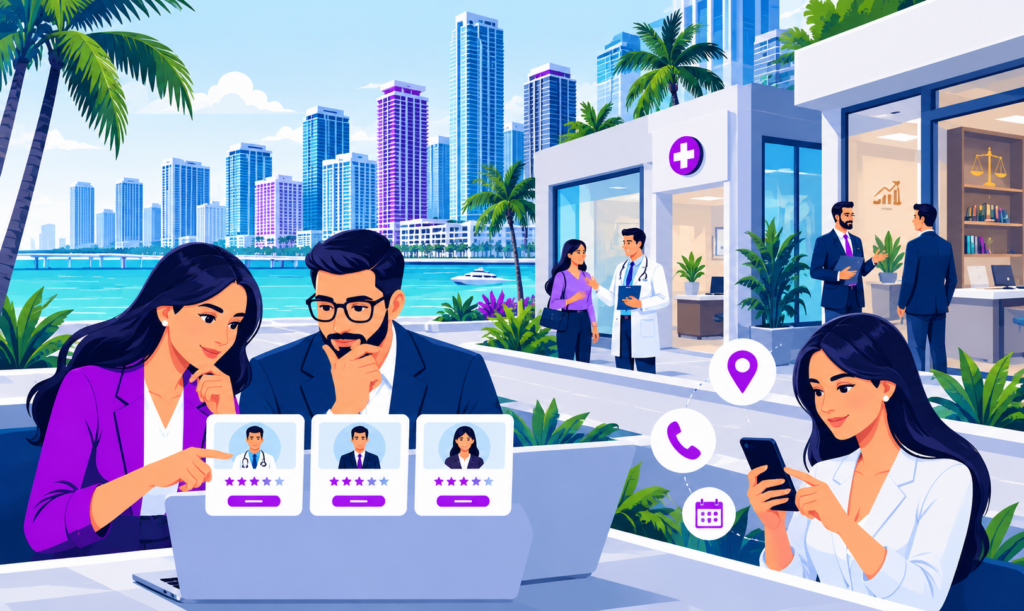
What we build for Medical Practices in this market
We build the site around the decision a Lauderhill patient is actually making, not around a generic template with your logo dropped in. That starts with structure. If you run a multi-location practice, or you are a solo provider who sees patients at two clinics, each location gets its own page with its own address, hours, phone extension if you use one, parking notes, and provider list. One shared “locations” page with a map embed does not rank for “pediatrician Lauderhill” and “pediatrician Lauderdale Lakes” at the same time. Search engines treat those as different questions, and the page that answers one question clearly beats the page trying to answer three.
Provider bios get the same treatment. This is YMYL territory, Your Money or Your Life, which is Google’s own shorthand for topics where bad information can cause real harm. Medical content sits squarely in that category, and Google’s quality guidance leans harder on pages in this space to show real expertise and real credentials. That means every provider bio names the degree, the school, the board certification, the languages spoken, and the years in practice if you want to list that. No stock headshots. No “our caring team” paragraph with no names attached. Vague bios do not just under-perform, they can actively work against you with how these pages get evaluated.
HIPAA-safe forms, done right the first time
Every intake form, appointment request, and contact form on a medical site touches protected health information the moment a patient types a symptom or a date of birth into it. A standard WordPress contact form plugin was not built for that. We configure forms so they do not store PHI in plugin databases that were never meant to hold it, we route submissions through encrypted channels, and we keep form fields narrow, asking only what the front desk actually needs to call the patient back, not a full medical history on a public web form. If you use a patient portal or a scheduling platform like a dedicated EHR-linked booking tool, we connect to that instead of reinventing it, because that system was built for this and a contact form plugin was not.
Call tracking works the same way here as everywhere else we set it up, with one adjustment. We do not record calls where a patient might disclose health information unless we have a clear, compliant way to handle that recording, because an accidental database of patient symptoms is a liability nobody needs. We track call volume, call source, and call duration without needing the content of the call to prove the marketing worked.
For paid search, Google Ads has its own restrictions on healthcare advertisers, including rules around what personal health conditions can be referenced in ad copy and what landing pages need to disclose. We build campaigns inside those rules rather than finding out about them after an ad gets disapproved. [EXTERNAL LINK: Google Ads healthcare and medicines policy page, to show patients and practice owners the actual advertiser restrictions we build inside] That is also why a generic ad agency that has never run a healthcare account can waste a month of budget on ads that never leave review.
Reviews get built into the plan, not bolted on after. A simple post-visit text with a review link, sent to patients who already had a good visit, does more for a Lauderhill practice’s map pack ranking than almost anything else we can build, because review count and recency are a visible signal to both Google and to the next patient comparing three clinics on their phone.
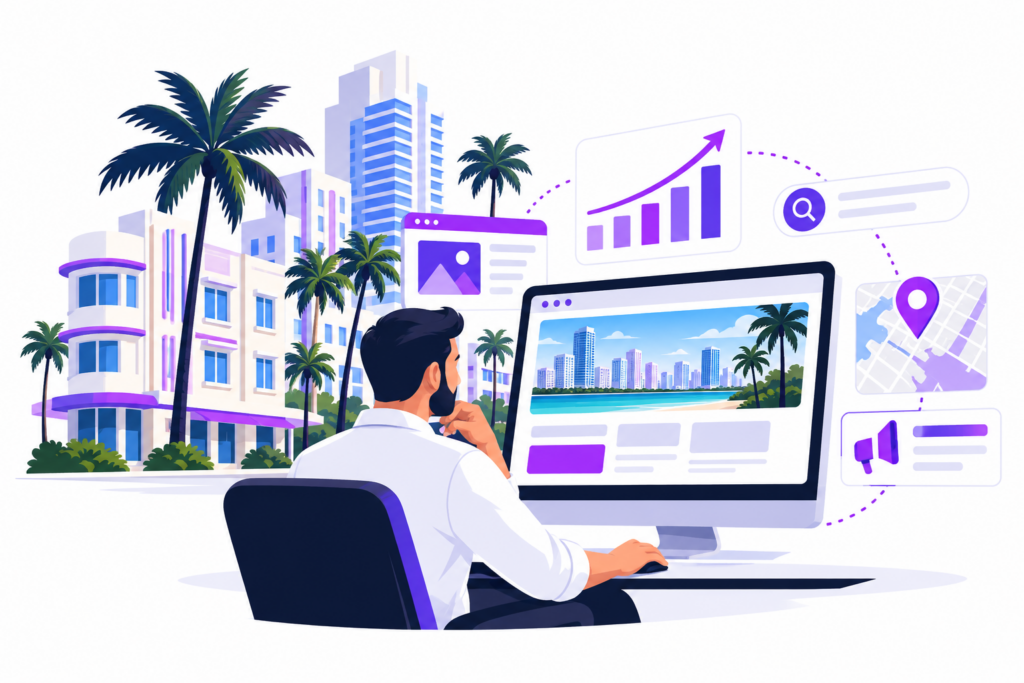
What we measure
We report on what you can check yourself: call volume by source, form submissions by page, new patient inquiries tagged to the channel that brought them, and Google Business Profile actions like direction requests and calls. We do not report on vague “impressions” numbers that never translate into a patient in a chair. If a number does not connect to a phone ringing or a form arriving, we do not lead with it.
Multi-touchpoint attribution matters more for a practice with a longer decision cycle, like a specialty clinic, than for urgent care, where the search and the visit often happen the same day. We set up tracking to match the actual patient journey for your specialty, not a one-size template.
Legal and professional services
Explain practice areas, relevant experience, service locations, and consultation options. Organize pages around the specific services potential clients search for.
Medical and healthcare practices
Make treatment information, provider details, location information, and appointment options easy to find. Review health-related claims carefully.
Financial services
Present services, qualifications, and contact pathways clearly while respecting applicable advertising and compliance requirements.
Technology and business services
Explain complex offerings in plain language, demonstrate practical value, and create landing pages for distinct solutions.
Local service businesses
Build relevant service and location pages, improve Google Business Profile information, and make calls and enquiry forms easy to use.
What it costs
Cost is the first objection in Lauderhill and we would rather answer it here than make you wait for a call. Pricing depends on how many locations you have, whether you need new provider bios and photography or just a rebuild of what exists, and whether you are starting paid search alongside the website work or building organic first. A single-location family practice refresh costs less than a four-location multi-provider build with HIPAA-safe intake across every location.
We can give you a real range once we see your current site and your competitors in Lauderhill. What we will not do is quote a number before looking, because that number is usually wrong in one direction or the other, and a wrong quote wastes your time more than a short conversation does.
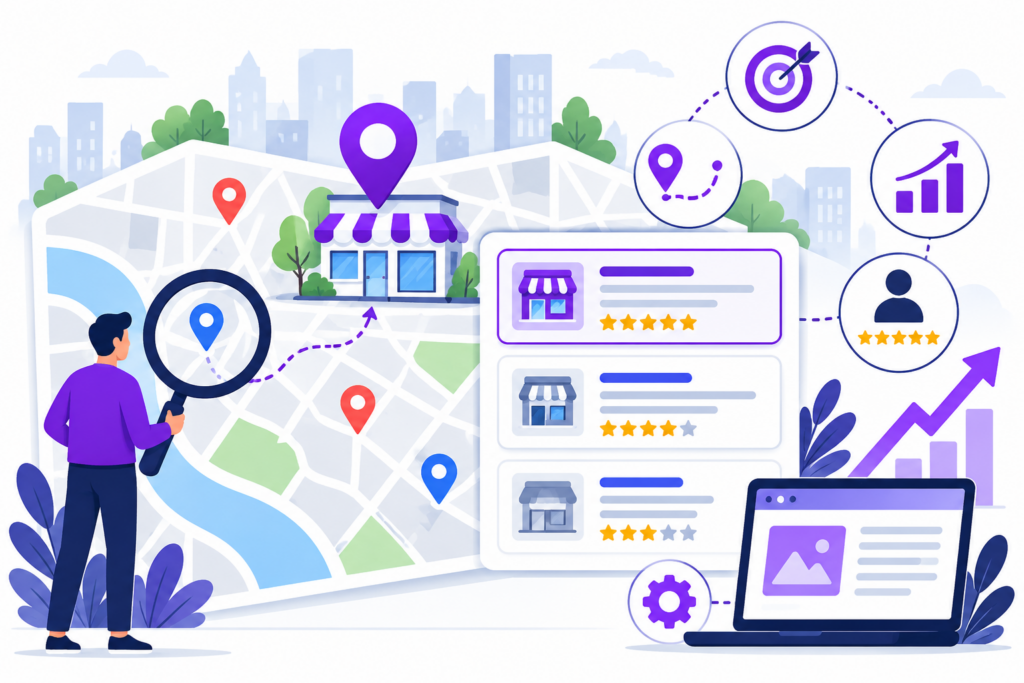
Why local structure still matters
Lauderhill sits close enough to Lauderdale Lakes, Sunrise, and Plantation that patients cross city lines constantly for care. That is exactly why your site needs to claim Lauderhill specifically rather than relying on a Broward County-wide page to catch everything. A patient searching “dentist Lauderhill” or “pediatrician near State Road 7” wants to see Lauderhill in the result, not a county name they have to translate in their head.

Credentials belong on the page, not in a PDF
A lot of practice sites bury board certifications in a downloadable PDF nobody opens. We put the credential where the patient is already looking: next to the provider’s name, next to the service they are researching. For YMYL content, that proximity is not decoration. It is part of how both patients and search engines judge whether the page is trustworthy enough to act on.
Same logic applies to insurance lists, license numbers where relevant, and affiliations with hospitals or health systems. A Lauderhill patient comparing providers along State Road 7 or near Broward Health is scanning fast, often on a phone, often in some discomfort. If your credentials require a click-through and a download to verify, you have already lost them to the practice that didn’t make them work for it.
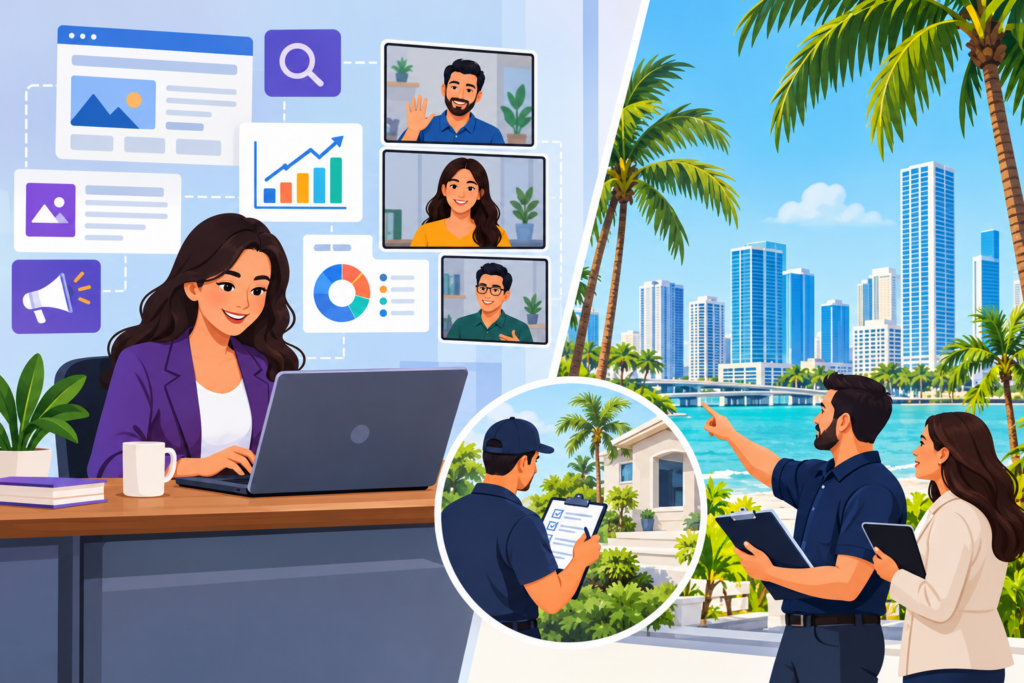
Get an audit
We will look at your current site, your Google Business Profile, and two or three competitors actually ranking for your services in Lauderhill, whether you are a family practice, urgent care, dental office, or specialty clinic. The audit covers site speed, mobile usability, how clearly your services and insurance information are presented, and whether patients can actually find and book an appointment without friction. We also check your reviews, citation consistency across directories, and how your profile compares to the practices currently outranking you near Lauderhill’s medical corridors.
FAQ's
These are the 6 questions Lauderhill homeowners ask us most about medical practice marketing, answered plainly so you know what to expect before any work starts. If yours isn't covered here, get in touch and we'll walk you through it.
Do you only work with practices in Lauderhill, or across Broward County too?
We work with practices across Broward and South Florida, but we build Lauderhill-specific pages because patients search by city name, not county name. A countywide page cannot answer a hyper-local query as precisely as a page built for Lauderhill.
How do you handle patient data on contact and appointment forms?
We keep form fields narrow, avoid storing protected health information in plugin databases not built for it, and connect to your existing patient portal or scheduling system when you have one instead of replacing it with a generic form.
Can you run Google Ads for a medical practice?
Yes, within Google's healthcare advertiser restrictions, which limit what health conditions can appear in ad copy and what landing pages must disclose. We build campaigns to meet those rules from the start rather than fixing disapprovals later.
What does a Lauderhill medical marketing project typically cost?
It depends on number of locations, whether you need new provider photography and bios, and whether paid search runs alongside the website. We give a real range after reviewing your current site and competitors, not before.
We have two locations. Do we need two websites?
No, but you need two location pages, each with its own address, hours, providers, and local details. One shared locations page cannot rank for both cities at once the way two dedicated pages can.
Will you guarantee we rank first for our specialty in Lauderhill?
Mobile speed is not optional here
Lauderhill’s search traffic skews mobile more than most of Broward’s newer suburbs, partly because of the density of the area and partly because a lot of searches happen on the way somewhere, not at a desk. A page that loads slow on a phone loses patients before it ever gets to make its case.