
- Home
- Services
- Portfolio
- About
- Service AreasFort Lauderdale, FL
- Web Design
- Redesign
- WordPress
- Ecommerce
- Landing Pages
- SEO Services
- Local SEO
- GBP
- Google Ads
- PPC
- Digital Marketing
- Internet Marketing
- Advertising
- Tracking
- Dental Marketing
- Medical Marketing
- HVAC Marketing
- Roofing Marketing
- Pest Control Marketing
- Home Services Marketing
- Plumbing Marketing
- Electrical Marketing
- Landscaping Marketing
- Remodeling Marketing
Pembroke Pines, FL- Web Design
- Redesign
- WordPress
- Ecommerce
- Landing Pages
- SEO Services
- Local SEO
- GBP
- Google Ads
- PPC
- Digital Marketing
- Internet Marketing
- Advertising
- Tracking
- Dental Marketing
- Medical Marketing
- HVAC Marketing
- Roofing Marketing
- Pest Control Marketing
- Home Services Marketing
- Plumbing Marketing
- Electrical Marketing
- Landscaping Marketing
- Remodeling Marketing
Hialeah, FL- Web Design
- Redesign
- WordPress
- Ecommerce
- Landing Pages
- SEO Services
- Local SEO
- GBP
- Google Ads
- PPC
- Digital Marketing
- Internet Marketing
- Advertising
- Tracking
- Dental Marketing
- Medical Marketing
- HVAC Marketing
- Roofing Marketing
- Pest Control Marketing
- Home Services Marketing
- Plumbing Marketing
- Electrical Marketing
- Landscaping Marketing
- Remodeling Marketing
Hollywood, FL- Web Design
- Redesign
- WordPress
- Ecommerce
- Landing Pages
- SEO Services
- Local SEO
- GBP
- Google Ads
- PPC
- Digital Marketing
- Internet Marketing
- Advertising
- Tracking
- Dental Marketing
- Medical Marketing
- HVAC Marketing
- Roofing Marketing
- Pest Control Marketing
- Home Services Marketing
- Plumbing Marketing
- Electrical Marketing
- Landscaping Marketing
- Remodeling Marketing
Miramar, FL- Web Design
- Redesign
- WordPress
- Ecommerce
- Landing Pages
- SEO Services
- Local SEO
- GBP
- Google Ads
- PPC
- Digital Marketing
- Internet Marketing
- Advertising
- Tracking
- Dental Marketing
- Medical Marketing
- HVAC Marketing
- Roofing Marketing
- Pest Control Marketing
- Home Services Marketing
- Plumbing Marketing
- Electrical Marketing
- Landscaping Marketing
- Remodeling Marketing
Coral Springs, FL- Web Design
- Redesign
- WordPress
- Ecommerce
- Landing Pages
- SEO Services
- Local SEO
- GBP
- Google Ads
- PPC
- Digital Marketing
- Internet Marketing
- Advertising
- Tracking
- Dental Marketing
- Medical Marketing
- HVAC Marketing
- Roofing Marketing
- Pest Control Marketing
- Home Services Marketing
- Plumbing Marketing
- Electrical Marketing
- Landscaping Marketing
- Remodeling Marketing
Pompano Beach, FL- Web Design
- Redesign
- WordPress
- Ecommerce
- Landing Pages
- SEO Services
- Local SEO
- GBP
- Google Ads
- PPC
- Digital Marketing
- Internet Marketing
- Advertising
- Tracking
- Dental Marketing
- Medical Marketing
- HVAC Marketing
- Roofing Marketing
- Pest Control Marketing
- Home Services Marketing
- Plumbing Marketing
- Electrical Marketing
- Landscaping Marketing
- Remodeling Marketing
Davie, FL- Web Design
- Redesign
- WordPress
- Ecommerce
- Landing Pages
- SEO Services
- Local SEO
- GBP
- Google Ads
- PPC
- Digital Marketing
- Internet Marketing
- Advertising
- Tracking
- Dental Marketing
- Medical Marketing
- HVAC Marketing
- Roofing Marketing
- Pest Control Marketing
- Home Services Marketing
- Plumbing Marketing
- Electrical Marketing
- Landscaping Marketing
- Remodeling Marketing
Sunrise, FL- Web Design
- Redesign
- WordPress
- Ecommerce
- Landing Pages
- SEO Services
- Local SEO
- GBP
- Google Ads
- PPC
- Digital Marketing
- Internet Marketing
- Advertising
- Tracking
- Dental Marketing
- Medical Marketing
- HVAC Marketing
- Roofing Marketing
- Pest Control Marketing
- Home Services Marketing
- Plumbing Marketing
- Electrical Marketing
- Landscaping Marketing
- Remodeling Marketing
Plantation, FL- Web Design
- Redesign
- WordPress
- Ecommerce
- Landing Pages
- SEO Services
- Local SEO
- GBP
- Google Ads
- PPC
- Digital Marketing
- Internet Marketing
- Advertising
- Tracking
- Dental Marketing
- Medical Marketing
- HVAC Marketing
- Roofing Marketing
- Pest Control Marketing
- Home Services Marketing
- Plumbing Marketing
- Electrical Marketing
- Landscaping Marketing
- Remodeling Marketing
Deerfield Beach, FL- Web Design
- Redesign
- WordPress
- Ecommerce
- Landing Pages
- SEO Services
- Local SEO
- GBP
- Google Ads
- PPC
- Digital Marketing
- Internet Marketing
- Advertising
- Tracking
- Dental Marketing
- Medical Marketing
- HVAC Marketing
- Roofing Marketing
- Pest Control Marketing
- Home Services Marketing
- Plumbing Marketing
- Electrical Marketing
- Landscaping Marketing
- Remodeling Marketing
Miami Gardens, FL- Web Design
- Redesign
- WordPress
- Ecommerce
- Landing Pages
- SEO Services
- Local SEO
- GBP
- Google Ads
- PPC
- Digital Marketing
- Internet Marketing
- Advertising
- Tracking
- Dental Marketing
- Medical Marketing
- HVAC Marketing
- Roofing Marketing
- Pest Control Marketing
- Home Services Marketing
- Plumbing Marketing
- Electrical Marketing
- Landscaping Marketing
- Remodeling Marketing
Lauderhill, FL- Web Design
- Redesign
- WordPress
- Ecommerce
- Landing Pages
- SEO Services
- Local SEO
- GBP
- Google Ads
- PPC
- Digital Marketing
- Internet Marketing
- Advertising
- Tracking
- Dental Marketing
- Medical Marketing
- HVAC Marketing
- Roofing Marketing
- Pest Control Marketing
- Home Services Marketing
- Plumbing Marketing
- Electrical Marketing
- Landscaping Marketing
- Remodeling Marketing
West Palm Beach, FL- Web Design
- Redesign
- WordPress
- Ecommerce
- Landing Pages
- SEO Services
- Local SEO
- GBP
- Google Ads
- PPC
- Digital Marketing
- Internet Marketing
- Advertising
- Tracking
- Dental Marketing
- Medical Marketing
- HVAC Marketing
- Roofing Marketing
- Pest Control Marketing
- Home Services Marketing
- Plumbing Marketing
- Electrical Marketing
- Landscaping Marketing
- Remodeling Marketing
Tamarac, FL- Web Design
- Redesign
- WordPress
- Ecommerce
- Landing Pages
- SEO Services
- Local SEO
- GBP
- Google Ads
- PPC
- Digital Marketing
- Internet Marketing
- Advertising
- Tracking
- Dental Marketing
- Medical Marketing
- HVAC Marketing
- Roofing Marketing
- Pest Control Marketing
- Home Services Marketing
- Plumbing Marketing
- Electrical Marketing
- Landscaping Marketing
- Remodeling Marketing
Weston, FL- Web Design
- Redesign
- WordPress
- Ecommerce
- Landing Pages
- SEO Services
- Local SEO
- GBP
- Google Ads
- PPC
- Digital Marketing
- Internet Marketing
- Advertising
- Tracking
- Dental Marketing
- Medical Marketing
- HVAC Marketing
- Roofing Marketing
- Pest Control Marketing
- Home Services Marketing
- Plumbing Marketing
- Electrical Marketing
- Landscaping Marketing
- Remodeling Marketing
Boca Raton, FLMargate, FLCoconut Creek, FLMiami Beach, FLHomestead, FLKendall, FLDoral, FLBoynton Beach, FLThe Hammocks, FLNorth Lauderdale, FLOakland Park, FLDelray Beach, FLNorth Miami, FLHallandale Beach, FLFontainebleau, FLKendale Lakes, FLWellington, FLJupiter, FLTamiami, FLPalm Beach Gardens, FLLauderdale Lakes, FLCooper City, FLCountry Club, FLParkland, FLCoral Gables, FLDania Beach, FLCutler Bay, FLNorth Miami Beach, FLGreenacres, FLLake Worth Beach, FLPrinceton, FLRoyal Palm Beach, FLSouth Miami Heights, FLRichmond West, FLRiviera Beach, FLWest Little River, FLGolden Glades, FLAventura, FLMiami Lakes, FLWestchester, FLLeisure City, FLCoral Terrace, FLPalm Springs, FLPalmetto Bay, FLHialeah Gardens, FLSunny Isles Beach, FLIves Estates, FLWest Park, FLSweetwater, FLPinecrest, FLSunset, FLPinewood, FLWilton Manors, FLOpa-locka, FLLighthouse Point, FLBelle Glade, FLNaranja, FLPalmetto Estates, FLBrownsville, FLKey Biscayne, FLOlympia Heights, FLMiami Springs, FLFlorida City, FLSouth Miami, FLThree Lakes, FLGladeview, FLNorth Palm Beach, FLMiami Shores, FLSouthwest Ranches, FLKings Point, FLLauderdale-by-the-Sea, FLHillsboro Beach, FLSea Ranch Lakes, FLLazy Lake, FL - Blog
- Contact
Marketing for Medical Practices in Homestead, Florida
Homestead is adding rooftops faster than almost anywhere else in Homestead-Dade County, and a lot of those new residents do not yet have a doctor, a dentist, or a pediatrician picked out. They are searching for one right now, on a phone, often at night or on a weekend. Many of the medical practices already serving this corridor were built on referrals and repeat visits, not search traffic, which means their websites were never built to be found by someone who just moved into a new subdivision off Campbell Drive, Biscayne Drive, or the growing stretch near Homestead-Homestead Speedway.

How Homestead Medical Practices buyers search
A patient searching from Homestead rarely types a practice name first. They type the problem or the need: “pediatrician near me,” “walk in clinic Homestead FL,” “obgyn that takes [insurance] Homestead,” “dentista en Homestead” in Spanish, since a large share of the local population searches in Spanish for medical services. Each of those is a different search with a different intent, and each needs its own page if you want to show up for it rather than hoping a single generic services page catches everything.
Map pack results dominate for anything urgent or immediate, like urgent care, dental emergencies, or same-day pediatric visits. Someone in pain does not scroll past the three map listings to read organic results, so your Google Business Profile, your reviews, and your proximity signals carry more weight than your homepage copy in that moment. For planned care, like a new OB/GYN, a dermatologist, or a specialist referral, organic search and review content matter more, because the patient has time to compare a few options, read about the provider, and check insurance details before calling.
Seasonality shows up too. Homestead’s population swells in winter with seasonal residents and agricultural workers, which shifts demand toward urgent and family care in those months, while pediatric and back-to-school related visits spike in late summer, and allergy or heat-related urgent visits climb through the humid stretch of the year. A practice that treats its website as a static brochure misses all of that movement. A practice whose site structure matches these search patterns and updates content around them catches it, picking up appointment requests a competitor’s static site never sees.

The competition here
We will give you an honest read rather than a sales pitch. Homestead is genuinely the least saturated medical marketing market in the tri-county area right now, and that is a specific, checkable claim, not a boast. Search Google for most medical specialties plus “Homestead” and you will find a mix of outdated directory listings, GoDaddy-built sites with no blog or service pages, and a handful of practices that have done real SEO work. Compare that to the same search for Kendall, Doral, or Coral Gables, where multiple practices in the same specialty are actively running ads and publishing content, and the difference is obvious.
That does not mean every specialty is wide open. Urgent care and dental have more competition than, say, podiatry or dermatology, because national urgent care chains have moved into the corridor along US-1 and Campbell Drive. If you are opening or already run an urgent care clinic in Homestead, expect to compete against brands with marketing budgets built for scale. If you are a solo-practice internist, pediatrician, or specialist, the field is much more open, and a well-built website with accurate, specific service pages can realistically compete for Homestead-specific search terms without a large budget.
The other factor working in your favor: many Homestead practices still have no Google Business Profile optimization at all. No photos, no service list, no posts, sometimes not even correct hours. For map pack results, that is a low bar to clear. We are not promising a ranking position. We are telling you what the current field looks like so you can judge the opportunity yourself.
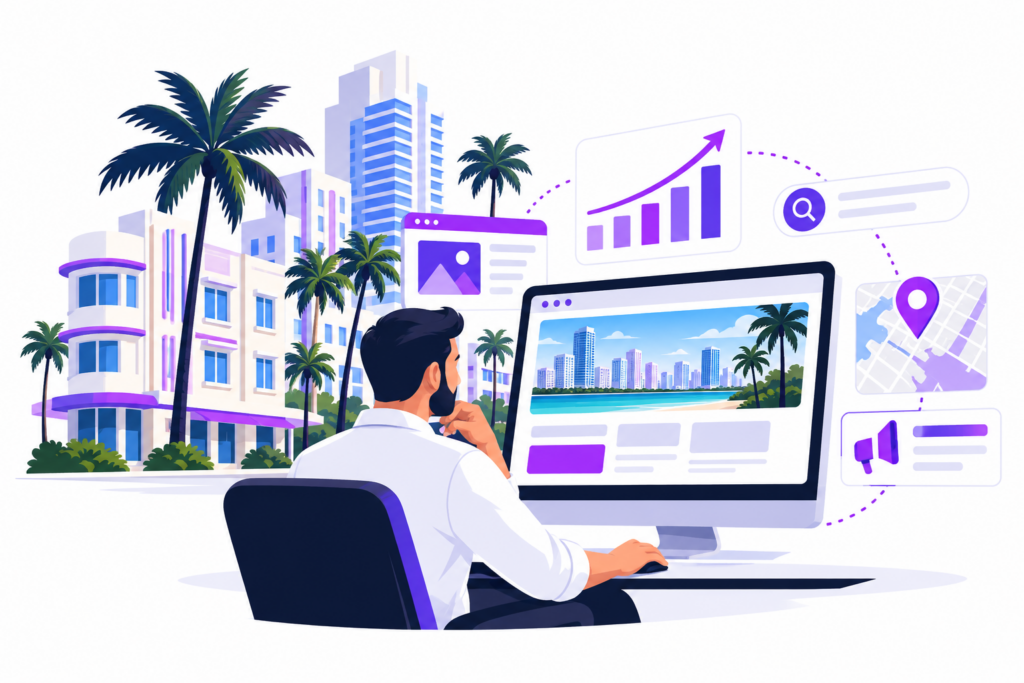
What we build for Medical Practices in this market
We do not build one page and call it done. A medical practice in Homestead typically needs a page for each service (family medicine, pediatrics, women’s health, whatever applies), separate from a page for each location if you operate more than one office, because a single page cannot rank for forty different search terms covering different services and different neighborhoods.
Provider bio pages get built with structured credentials: license type, board certification if applicable, languages spoken, years in practice if you choose to disclose it, and whether the provider is accepting new patients. This is YMYL content, meaning Google holds medical pages to a higher trust bar than most industries, so accuracy and clear sourcing matter more here than on a typical business site.
For intake, we build HIPAA-conscious contact and scheduling forms. That means the public website form collects only non-clinical information, like name, phone, insurance carrier, and preferred appointment time, and that submission routes to your front desk through a secure, access-controlled channel. We do not store protected health information in a website database, and we will tell you plainly if a request you have crosses into territory that needs a dedicated patient-portal system instead of a marketing website feature.
For multi-location practices, we build a location page for each physical office, each with its own address, hours, staff, and locally relevant content, rather than one generic “our locations” list. Each location page is also built to support its own Google Business Profile, since a single shared profile cannot represent two separate addresses correctly in Google’s system [EXTERNAL LINK: Google Business Profile guidelines on location and duplicate listing policy].
On the paid side, Google Ads for medical practices has to account for Google’s healthcare and medicines advertising policies, which restrict certain claims and require certification for some specialties. We check what your specialty requires before building any campaign, rather than finding out after an ad gets disapproved.
Legal and professional services
Explain practice areas, relevant experience, service locations, and consultation options. Organize pages around the specific services potential clients search for.
Medical and healthcare practices
Make treatment information, provider details, location information, and appointment options easy to find. Review health-related claims carefully.
Financial services
Present services, qualifications, and contact pathways clearly while respecting applicable advertising and compliance requirements.
Technology and business services
Explain complex offerings in plain language, demonstrate practical value, and create landing pages for distinct solutions.
Local service businesses
Build relevant service and location pages, improve Google Business Profile information, and make calls and enquiry forms easy to use.
What we measure
We report with call tracking and multi-touchpoint attribution, which means we can show you which specific page, ad, or search term a call or form submission came from, not just a total number of “leads” with no source attached. For a medical practice, that typically breaks down into a few concrete numbers: calls by source, form submissions by source, new patient form completions, and which service pages are generating activity versus which ones are not.
We do not report vanity metrics like total site visits with no context. If a page gets traffic but no calls, that tells us something is wrong with the page, not that the campaign is working. We would rather show you a page that needs fixing than hide it in a summary chart.

What it costs
Cost depends on how many services and locations need coverage, whether you’re building a new website or working from an existing one, and whether Google Ads runs alongside SEO or stands alone. A single-location practice with three or four core services costs less to build out than a multi-location group with ten providers, each needing separate specialty pages, location pages, and provider bios optimized for search.
Homestead’s medical market also factors in: a practice competing against larger Homestead-Dade groups for terms like “urgent care Homestead” or “pediatrician near me” typically needs more sustained SEO investment than one with less local competition.
Rather than quote a range that doesn’t reflect your actual situation, we’d rather review your current site and your specific Homestead competitors first. Call (754) 704-4727 and we’ll walk through what your practice actually needs before discussing cost, scope, or timeline.

Get an audit
If you want to know exactly where your practice stands against the handful of real competitors serving Homestead and the surrounding Redland and Florida City area, we will dig into your site, your Google Business Profile, and your top three local competitors to tell you precisely what is missing and why patients might be choosing them instead. We look at the details that actually move the needle: how your reviews compare, whether your appointment booking is clear and fast on mobile, if your site loads well for patients searching from the road, and whether your listings are consistent enough to rank for terms like "doctor near me" or your specialty plus Homestead. No obligation attached, and no invented scorecard with a fake grade meant to scare you into a contract.

FAQ's
These are the 5 questions Homestead homeowners ask us most about medical practice marketing, answered plainly so you know what to expect before any work starts. If yours isn't covered here, get in touch and we'll walk you through it.
How long does it take for a medical practice website to show up in Homestead search results?
Organic rankings move over a period of months, not days, and the timeline depends on how much existing content and competition is already in place for your specific service and location. We will not give you a date. We can tell you what work is scheduled and why.
Can you handle contact forms for a medical practice without creating a HIPAA problem?
We build forms that collect only scheduling and general-interest information, route submissions through secure channels, and avoid storing protected health information on the website itself. If your practice needs a patient portal or secure messaging, that is a separate, dedicated system, not a website contact form.
Do you write the provider bios and medical content, or does the practice?
We structure the page, handle formatting, credentials display, and schema markup. The clinical content itself, including anything that touches diagnosis or treatment claims, should be reviewed and approved by the practice or a licensed provider, since YMYL content carries liability the practice owns.
What does a Homestead medical practice typically pay for ongoing marketing?
Cost depends on how many locations, how many services, and whether you need Google Ads running alongside SEO. We will give you a specific number after looking at your current site and your competitors, not before.
Is Homestead really less competitive than Homestead or Kendall for medical marketing?
For most specialties, yes, based on how many optimized competing sites currently target Homestead-specific terms. It is not uncompetitive everywhere, and a new urgent care or dermatology group moving in could change that within a year.
Why provider identity matters here
Homestead patients, especially newer residents, frequently search for a provider by language spoken, gender, or whether they are accepting new patients before they search by specialty alone. If that information is not on the page in plain text, it is not findable, and the practice loses the click to a competitor whose site answers the question up front. This matters most for:
- Spanish-speaking patients looking for “se habla español” explicitly stated
- Families wanting a pediatrician or OB/GYN of a specific gender
- New residents checking “accepting new patients” before calling
- Patients confirming a specific insurance plan is accepted locally