
- Home
- Services
- Portfolio
- About
- Service AreasFort Lauderdale, FL
- Web Design
- Redesign
- WordPress
- Ecommerce
- Landing Pages
- SEO Services
- Local SEO
- GBP
- Google Ads
- PPC
- Digital Marketing
- Internet Marketing
- Advertising
- Tracking
- Dental Marketing
- Medical Marketing
- HVAC Marketing
- Roofing Marketing
- Pest Control Marketing
- Home Services Marketing
- Plumbing Marketing
- Electrical Marketing
- Landscaping Marketing
- Remodeling Marketing
Pembroke Pines, FL- Web Design
- Redesign
- WordPress
- Ecommerce
- Landing Pages
- SEO Services
- Local SEO
- GBP
- Google Ads
- PPC
- Digital Marketing
- Internet Marketing
- Advertising
- Tracking
- Dental Marketing
- Medical Marketing
- HVAC Marketing
- Roofing Marketing
- Pest Control Marketing
- Home Services Marketing
- Plumbing Marketing
- Electrical Marketing
- Landscaping Marketing
- Remodeling Marketing
Hialeah, FL- Web Design
- Redesign
- WordPress
- Ecommerce
- Landing Pages
- SEO Services
- Local SEO
- GBP
- Google Ads
- PPC
- Digital Marketing
- Internet Marketing
- Advertising
- Tracking
- Dental Marketing
- Medical Marketing
- HVAC Marketing
- Roofing Marketing
- Pest Control Marketing
- Home Services Marketing
- Plumbing Marketing
- Electrical Marketing
- Landscaping Marketing
- Remodeling Marketing
Hollywood, FL- Web Design
- Redesign
- WordPress
- Ecommerce
- Landing Pages
- SEO Services
- Local SEO
- GBP
- Google Ads
- PPC
- Digital Marketing
- Internet Marketing
- Advertising
- Tracking
- Dental Marketing
- Medical Marketing
- HVAC Marketing
- Roofing Marketing
- Pest Control Marketing
- Home Services Marketing
- Plumbing Marketing
- Electrical Marketing
- Landscaping Marketing
- Remodeling Marketing
Miramar, FL- Web Design
- Redesign
- WordPress
- Ecommerce
- Landing Pages
- SEO Services
- Local SEO
- GBP
- Google Ads
- PPC
- Digital Marketing
- Internet Marketing
- Advertising
- Tracking
- Dental Marketing
- Medical Marketing
- HVAC Marketing
- Roofing Marketing
- Pest Control Marketing
- Home Services Marketing
- Plumbing Marketing
- Electrical Marketing
- Landscaping Marketing
- Remodeling Marketing
Coral Springs, FL- Web Design
- Redesign
- WordPress
- Ecommerce
- Landing Pages
- SEO Services
- Local SEO
- GBP
- Google Ads
- PPC
- Digital Marketing
- Internet Marketing
- Advertising
- Tracking
- Dental Marketing
- Medical Marketing
- HVAC Marketing
- Roofing Marketing
- Pest Control Marketing
- Home Services Marketing
- Plumbing Marketing
- Electrical Marketing
- Landscaping Marketing
- Remodeling Marketing
Pompano Beach, FL- Web Design
- Redesign
- WordPress
- Ecommerce
- Landing Pages
- SEO Services
- Local SEO
- GBP
- Google Ads
- PPC
- Digital Marketing
- Internet Marketing
- Advertising
- Tracking
- Dental Marketing
- Medical Marketing
- HVAC Marketing
- Roofing Marketing
- Pest Control Marketing
- Home Services Marketing
- Plumbing Marketing
- Electrical Marketing
- Landscaping Marketing
- Remodeling Marketing
Davie, FL- Web Design
- Redesign
- WordPress
- Ecommerce
- Landing Pages
- SEO Services
- Local SEO
- GBP
- Google Ads
- PPC
- Digital Marketing
- Internet Marketing
- Advertising
- Tracking
- Dental Marketing
- Medical Marketing
- HVAC Marketing
- Roofing Marketing
- Pest Control Marketing
- Home Services Marketing
- Plumbing Marketing
- Electrical Marketing
- Landscaping Marketing
- Remodeling Marketing
Sunrise, FL- Web Design
- Redesign
- WordPress
- Ecommerce
- Landing Pages
- SEO Services
- Local SEO
- GBP
- Google Ads
- PPC
- Digital Marketing
- Internet Marketing
- Advertising
- Tracking
- Dental Marketing
- Medical Marketing
- HVAC Marketing
- Roofing Marketing
- Pest Control Marketing
- Home Services Marketing
- Plumbing Marketing
- Electrical Marketing
- Landscaping Marketing
- Remodeling Marketing
Plantation, FL- Web Design
- Redesign
- WordPress
- Ecommerce
- Landing Pages
- SEO Services
- Local SEO
- GBP
- Google Ads
- PPC
- Digital Marketing
- Internet Marketing
- Advertising
- Tracking
- Dental Marketing
- Medical Marketing
- HVAC Marketing
- Roofing Marketing
- Pest Control Marketing
- Home Services Marketing
- Plumbing Marketing
- Electrical Marketing
- Landscaping Marketing
- Remodeling Marketing
Deerfield Beach, FL- Web Design
- Redesign
- WordPress
- Ecommerce
- Landing Pages
- SEO Services
- Local SEO
- GBP
- Google Ads
- PPC
- Digital Marketing
- Internet Marketing
- Advertising
- Tracking
- Dental Marketing
- Medical Marketing
- HVAC Marketing
- Roofing Marketing
- Pest Control Marketing
- Home Services Marketing
- Plumbing Marketing
- Electrical Marketing
- Landscaping Marketing
- Remodeling Marketing
Miami Gardens, FL- Web Design
- Redesign
- WordPress
- Ecommerce
- Landing Pages
- SEO Services
- Local SEO
- GBP
- Google Ads
- PPC
- Digital Marketing
- Internet Marketing
- Advertising
- Tracking
- Dental Marketing
- Medical Marketing
- HVAC Marketing
- Roofing Marketing
- Pest Control Marketing
- Home Services Marketing
- Plumbing Marketing
- Electrical Marketing
- Landscaping Marketing
- Remodeling Marketing
Lauderhill, FL- Web Design
- Redesign
- WordPress
- Ecommerce
- Landing Pages
- SEO Services
- Local SEO
- GBP
- Google Ads
- PPC
- Digital Marketing
- Internet Marketing
- Advertising
- Tracking
- Dental Marketing
- Medical Marketing
- HVAC Marketing
- Roofing Marketing
- Pest Control Marketing
- Home Services Marketing
- Plumbing Marketing
- Electrical Marketing
- Landscaping Marketing
- Remodeling Marketing
West Palm Beach, FL- Web Design
- Redesign
- WordPress
- Ecommerce
- Landing Pages
- SEO Services
- Local SEO
- GBP
- Google Ads
- PPC
- Digital Marketing
- Internet Marketing
- Advertising
- Tracking
- Dental Marketing
- Medical Marketing
- HVAC Marketing
- Roofing Marketing
- Pest Control Marketing
- Home Services Marketing
- Plumbing Marketing
- Electrical Marketing
- Landscaping Marketing
- Remodeling Marketing
Tamarac, FL- Web Design
- Redesign
- WordPress
- Ecommerce
- Landing Pages
- SEO Services
- Local SEO
- GBP
- Google Ads
- PPC
- Digital Marketing
- Internet Marketing
- Advertising
- Tracking
- Dental Marketing
- Medical Marketing
- HVAC Marketing
- Roofing Marketing
- Pest Control Marketing
- Home Services Marketing
- Plumbing Marketing
- Electrical Marketing
- Landscaping Marketing
- Remodeling Marketing
Weston, FL- Web Design
- Redesign
- WordPress
- Ecommerce
- Landing Pages
- SEO Services
- Local SEO
- GBP
- Google Ads
- PPC
- Digital Marketing
- Internet Marketing
- Advertising
- Tracking
- Dental Marketing
- Medical Marketing
- HVAC Marketing
- Roofing Marketing
- Pest Control Marketing
- Home Services Marketing
- Plumbing Marketing
- Electrical Marketing
- Landscaping Marketing
- Remodeling Marketing
Boca Raton, FLMargate, FLCoconut Creek, FLMiami Beach, FLHomestead, FLKendall, FLDoral, FLBoynton Beach, FLThe Hammocks, FLNorth Lauderdale, FLOakland Park, FLDelray Beach, FLNorth Miami, FLHallandale Beach, FLFontainebleau, FLKendale Lakes, FLWellington, FLJupiter, FLTamiami, FLPalm Beach Gardens, FLLauderdale Lakes, FLCooper City, FLCountry Club, FLParkland, FLCoral Gables, FLDania Beach, FLCutler Bay, FLNorth Miami Beach, FLGreenacres, FLLake Worth Beach, FLPrinceton, FLRoyal Palm Beach, FLSouth Miami Heights, FLRichmond West, FLRiviera Beach, FLWest Little River, FLGolden Glades, FLAventura, FLMiami Lakes, FLWestchester, FLLeisure City, FLCoral Terrace, FLPalm Springs, FLPalmetto Bay, FLHialeah Gardens, FLSunny Isles Beach, FLIves Estates, FLWest Park, FLSweetwater, FLPinecrest, FLSunset, FLPinewood, FLWilton Manors, FLOpa-locka, FLLighthouse Point, FLBelle Glade, FLNaranja, FLPalmetto Estates, FLBrownsville, FLKey Biscayne, FLOlympia Heights, FLMiami Springs, FLFlorida City, FLSouth Miami, FLThree Lakes, FLGladeview, FLNorth Palm Beach, FLMiami Shores, FLSouthwest Ranches, FLKings Point, FLLauderdale-by-the-Sea, FLHillsboro Beach, FLSea Ranch Lakes, FLLazy Lake, FL - Blog
- Contact
Marketing for Medical Practices in Oakland Park, Florida
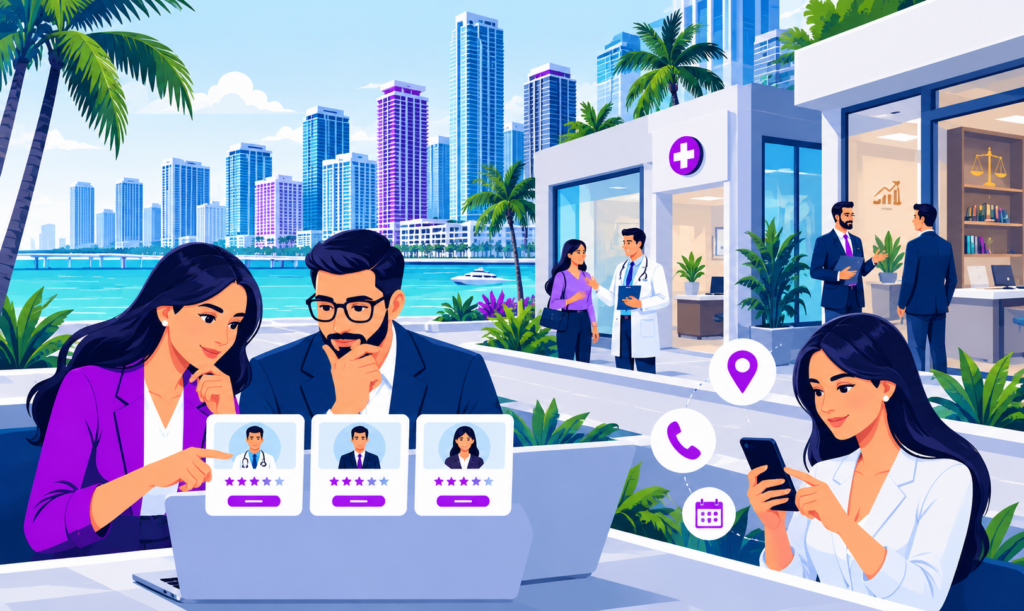
Oakland Park patients search on a phone, usually while sitting in a parking lot or on a break between jobs. They type “urgent care near me” or “pediatrician Oakland Park accepting new patients” and they decide inside of ten seconds. If your site takes four seconds to load a photo of your waiting room, that decision is already made, and it was not made in your favor.
This is a value-conscious market. People check insurance acceptance and out-of-pocket cost before they call anyone. They cross-reference a provider’s name on three sites before booking. A marketing plan for a medical practice here has to account for a slower, more skeptical buyer than you’d find in a wealthier coastal zip code, and it has to load fast on a mid-range Android phone on a spotty connection near Powerline Road.
We build and manage sites and search campaigns for practices working in and around Oakland Park. Below is how we read this specific market, what we build, what we track, and what it costs.

How Oakland Park Medical Practices buyers search
Most medical searches here split two ways: urgent, near-me queries (“dentist open now Oakland Park,” “walk in clinic Oakland Park”) and planned, comparison queries (“best pediatrician Oakland Park reviews,” “does Dr. [name] take [insurance]”). The first group wants the map pack and a phone number they can tap immediately, usually from a parking lot or a work break, with zero patience for a slow-loading site. The second group wants your website, and they want it to answer insurance and cost questions before they ever call. If your site makes them dig through a PDF or call to find out whether you take their plan, they move to the next listing.
Oakland Park sits wedged between Fort Lauderdale and Wilton Manors, so a chunk of the search volume for any given specialty is actually shared with those neighboring markets. Your competition is not just other Oakland Park addresses, it’s every practice within a five to seven mile radius that shows up in the same map pack radius search. That means a pediatrician on Dixie Highway is competing with practices near Wilton Drive and parts of west Fort Lauderdale, not just the handful of other clinics with an Oakland Park zip code. Ranking locally requires content and citations that speak to the broader service area, not just the city name.
Mobile matters more here than in most of the tri-county. Oakland Park’s population skews toward working households and a mix of long-time residents and renters, many of whom are searching on data plans, not home WiFi, which means page speed is not a cosmetic issue, it is the difference between a loaded page and an abandoned tab. We build with that constraint first, not as an afterthought, trimming bloated scripts and oversized images that tank load times on a shaky connection.
Seasonality shows up mostly in pediatric and urgent care volume, with spikes around back-to-school physicals and flu season, and less in specialties like dermatology or dental, which stay fairly flat year-round with small bumps around insurance deductible resets in December and January. Knowing which of these patterns applies to your specialty changes how we schedule content pushes, ad spend, and review requests throughout the year, so visibility peaks right when local demand does.
The competition here
Here is an honest read, not a sales pitch. Oakland Park does not have the sheer volume of medical practices you’d find in Fort Lauderdale proper, but it borders markets that do, and Google’s map pack radius pulls in those neighbors constantly. For common specialties, primary care, dental, urgent care, chiropractic, you are competing against practices in Wilton Manors, Lauderdale Lakes, Oakland Park’s own Dixie Highway corridor, and North Fort Lauderdale for the same map pack slots. The practical effect is that your true competitive set is larger than a simple city population count would suggest, and a lot of practice owners underestimate it because they are only looking at who else is physically located on their block.
For most general specialties, the map pack is where the early decision happens, and organic search below it is where the comparison happens. A practice with three or four strong reviews and an optimized Google Business Profile can outrank a practice with a better-built website if the website owner never claimed or filled out their listing. That is the single most common gap we find when we audit a practice in this area: the profile was created once, maybe during a move or a rebrand, and never touched again. Categories are wrong or incomplete, the service list has not been updated in years, hours are stale around holidays, and photos are either missing or clearly outdated. None of that is complicated to fix, but it does require someone to actually own the task on an ongoing basis rather than treating it as a one-time setup item.
Review volume and review recency matter more here than most practices assume. Patients searching for a provider in Oakland Park are frequently comparing two or three practices side by side on their phone, and the one with twelve reviews from the last two months reads as more trustworthy than the one with eighty reviews that stopped coming in three years ago. Competitors who have built a simple, consistent habit of asking satisfied patients for a review, right after a good visit, with a direct link, are quietly winning map pack position over practices with a longer track record but a dormant profile. This is one of the few areas where a smaller, newer practice can genuinely out-compete an established one without spending more money, just more consistent attention.
Niche specialties (specific surgical specialties, certain mental health niches, concierge-style practices, specific pediatric subspecialties) have far less local competition, which means ranking is more achievable but search volume is also lower. You are not fighting for position one on a term with forty competitors, you’re fighting to be found at all on a term with meaningful but modest search volume. Different strategy, same market. For these practices, the win usually comes from matching content to the exact phrasing patients use when they are further along in deciding they need a specific kind of care, rather than trying to rank for broad terms that bring in unqualified traffic anyway.
Directory sites (Healthgrades, Zocdoc, WebMD provider pages, Vitals, and insurance network directories) also occupy real estate on page one for almost every medical search in this area. Beating them outright is rare; they have domain authority most individual practices will never match, and Google tends to trust them for broad, informational queries. Working alongside them, by making sure your own listing on those directories is accurate, consistent with your website, and links back to your site, is realistic and usually ignored by practices that only think about their own website. We regularly find practices with three or four different addresses or phone numbers scattered across these directories, a small inconsistency that quietly erodes local ranking signals over time.
Insurance network pages deserve a specific mention too. A large share of medical searches in this area are driven by someone checking which providers accept their plan, and insurer directories often outrank individual practice websites for exactly that reason. If your practice page on a major insurer’s site is thin, outdated, or missing entirely, you are losing patients at the exact moment they are ready to book, before they ever see your own site. Fixing this is unglamorous work, but it closes a gap that almost none of your local competitors bother to address.
Put together, the competitive picture in Oakland Park is less about a single dominant rival and more about a crowded, overlapping set of practices, directories, and insurer pages all competing for the same limited page-one real estate. The practices that pull ahead are rarely the ones with the flashiest website; they are the ones that have claimed every relevant listing, kept their information current across all of them, and built a steady, unforced habit of collecting fresh reviews. That is a realistic, achievable standard for a practice of almost any size, and it is exactly where we focus first with new clients in this market.
What we build for Medical Practices in this market
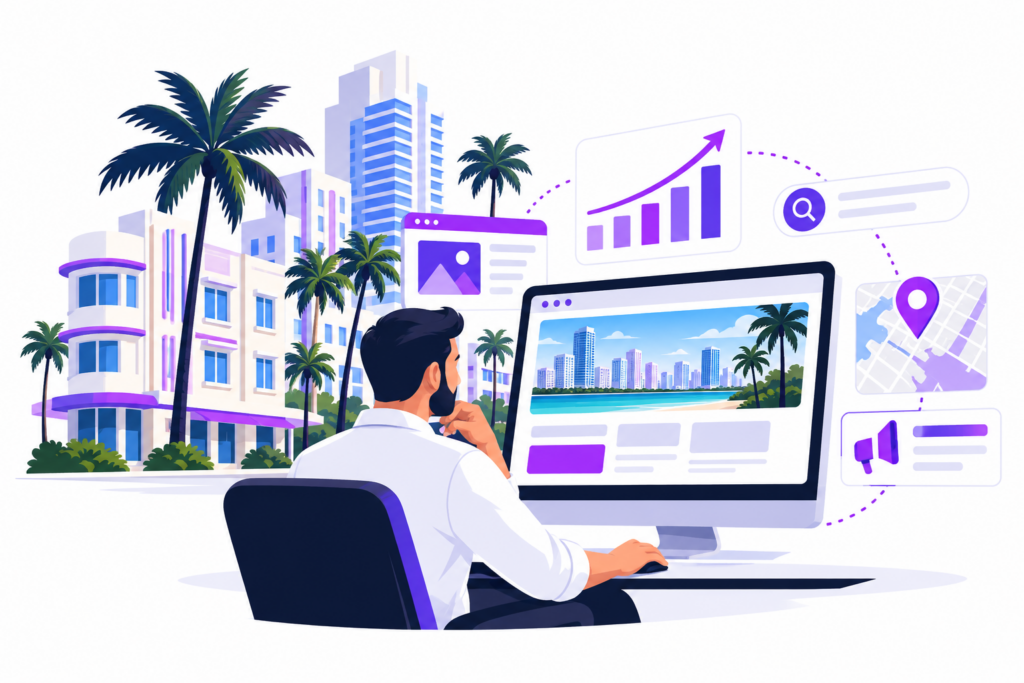
Medical sites carry weight most business sites don’t. Google treats health content as “Your Money or Your Life” content, meaning it holds medical pages to a higher bar for accuracy, authorship, and trustworthiness than it does a landscaping site or a retail page. That shapes almost every build decision we make for a practice here.
Provider pages built for credentials, not vanity
Each provider gets an individual page: full name, board certification, school, residency, years in practice, languages spoken, and the specific conditions or procedures they handle. This is not decoration. Google’s own guidance on medical and health content calls out author expertise and credentials as a trust signal, and patients read this information before booking, especially for anything beyond a routine visit. A bio page that says “Dr. Smith is passionate about patient care” and nothing else does not help you rank and does not help a nervous patient decide.
Service pages built around what a patient actually types
“Pediatrician Oakland Park” and “pediatrician near me accepting Medicaid” are two different searches with two different intents, and most practice websites try to answer both with one generic “Services” page. We build separate pages per service line, with the insurance, cost, and scheduling information patients are actually looking for built into the page instead of hidden in an FAQ no one scrolls to.
Multi-location structure done correctly
If you run more than one location near Oakland Park, each location needs its own page with its own address, phone number, hours, and provider list, and its own Google Business Profile. We see practices collapse two locations into one page to save time, and it almost always backfires: Google cannot tell which location to show for a nearby search, so it shows neither one confidently. Separate pages, separate listings, cross-linked clearly.
HIPAA-aware forms and scheduling
Appointment request forms and contact forms on a medical site need to be built so that protected health information isn’t captured before it needs to be, and so submissions aren’t landing in a general marketing inbox or ad platform. We design forms to minimize what’s collected up front and route anything sensitive appropriately. We are not your HIPAA compliance officer and we say that plainly: your attorney or compliance lead should sign off on the final setup, we handle the technical build.
Speed, because this market is mobile-first
We compress images, limit third-party scripts, and test load time on a mid-range phone, not just a desktop in an office. In a market where a large share of your traffic is someone searching from a car or a break room, a slow page costs you the call before it ever happens.
Reviews and reputation built into the structure, not bolted on after
Given how much weight the map pack carries here, we build review request flows into the patient journey, post-visit text or email prompts timed to when a patient is most likely to respond, and we make sure negative reviews have a response process instead of sitting unanswered. An unanswered one-star review next to five answered four-star reviews reads differently to a prospective patient than the same reviews with silence underneath.
Legal and professional services
Explain practice areas, relevant experience, service locations, and consultation options. Organize pages around the specific services potential clients search for.
Medical and healthcare practices
Make treatment information, provider details, location information, and appointment options easy to find. Review health-related claims carefully.
Financial services
Present services, qualifications, and contact pathways clearly while respecting applicable advertising and compliance requirements.
Technology and business services
Explain complex offerings in plain language, demonstrate practical value, and create landing pages for distinct solutions.
Local service businesses
Build relevant service and location pages, improve Google Business Profile information, and make calls and enquiry forms easy to use.
What we measure
We track calls, form submissions, and appointment requests back to the specific keyword, ad, or page that produced them, using call tracking numbers and multi-touchpoint attribution rather than a single “last click” number that tells you almost nothing about what actually worked.
For a medical practice, that means knowing whether “pediatrician Oakland Park” organic traffic converts better than a paid search campaign on “urgent pediatric appointment today,” and adjusting budget and content based on that, not on guesswork. We report in plain numbers: calls, form fills, cost per lead where paid search is running, and which pages are actually producing them.
What it costs
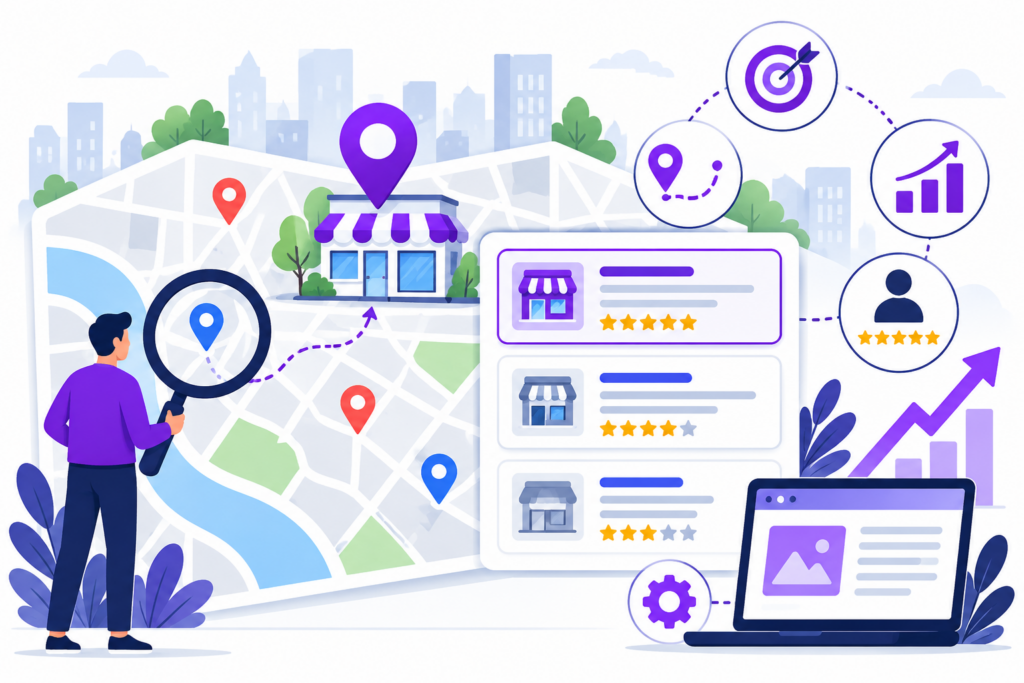
Price is a real objection here and we’d rather answer it than dodge it. Medical marketing cost in Oakland Park depends on a few concrete factors: how many providers and service lines you have, whether you need one location or several built out, whether you’re starting from an outdated site or a solid one, and whether you want SEO, paid search, or both running at once.
A single-provider practice with one location costs less to set up and maintain than a three-location group with ten specialists, each needing bio pages and separate local listings. Paid search adds a media budget on top of management, set by your market and goals, not by us. We won’t quote a number that doesn’t apply to your situation. Request an audit and we’ll tell you what your specific setup would actually cost, with the reasoning shown, not a flat package price.

Get an audit
We’ll start with a full read of your current site, your Google Business Profile, and two or three of the practices actually competing with you for map pack and organic position around Oakland Park and the broader Broward corridor. That means checking review volume and response patterns, service-page coverage, page speed, local citation consistency, and whether your scheduling path actually converts a visitor into a booked patient. You’ll get a plain-language rundown of what’s working, what’s missing, and roughly what it would take to fix it, no jargon, no padded report just to look thorough.
- Google Business Profile standing versus nearby competing practices
- On-site content gaps for your actual specialties and procedures
- Technical issues quietly limiting visibility or conversions
No obligation, no guaranteed ranking promise, just a straight look at where you stand today. Call (754) 704-4727 or request the audit through the form on this page.

Questions
People weighing a marketing change for a medical practice usually have two worries running at once: will this actually work in a market this size, and will it create a compliance headache they don’t have time for. Those are fair questions and we’d rather you ask them before you sign anything than after.
Below are the ones we hear most from practices in and around Oakland Park. If yours isn’t here, ask it directly.
How long does it take to see results from medical practice marketing in Oakland Park?
It depends on the term and the competition on it. Branded searches and map pack visibility can shift within a few months. Competitive terms like "primary care doctor Oakland Park" take longer because older, established listings and directory sites already hold those spots. We will not give you a date before we have seen your current site and your category.
Do you handle HIPAA-safe intake forms and scheduling widgets?
We build forms that avoid collecting protected health information before it is needed and route submissions so that PHI is not sitting in a marketing platform's inbox or ad account. We are not a covered entity and we do not offer legal HIPAA certification. Your compliance officer or healthcare attorney should review the final setup.
Can you write our provider bios and medical content for us?
We can structure the pages, pull your credentials, board certifications, and education into a format search engines and patients can scan quickly, and draft copy for your review. For diagnosis, treatment claims, or anything that reads as medical advice, we want your clinical staff checking the language before it goes live.
We have two locations near Oakland Park. Does that change the strategy?
Yes. Each location needs its own page with its own address, phone, hours, and provider list, plus a separate Google Business Profile. Treating two locations as one page splits your relevance and usually hurts both listings in the map pack.
What does it cost to market a medical practice in Oakland Park?
It depends on whether you need a new site, ongoing SEO, paid search, or all three, and how many service lines and locations you are marketing. We quote after a look at your current site and competitors, not before. Ask and we will give you a real number for your situation.